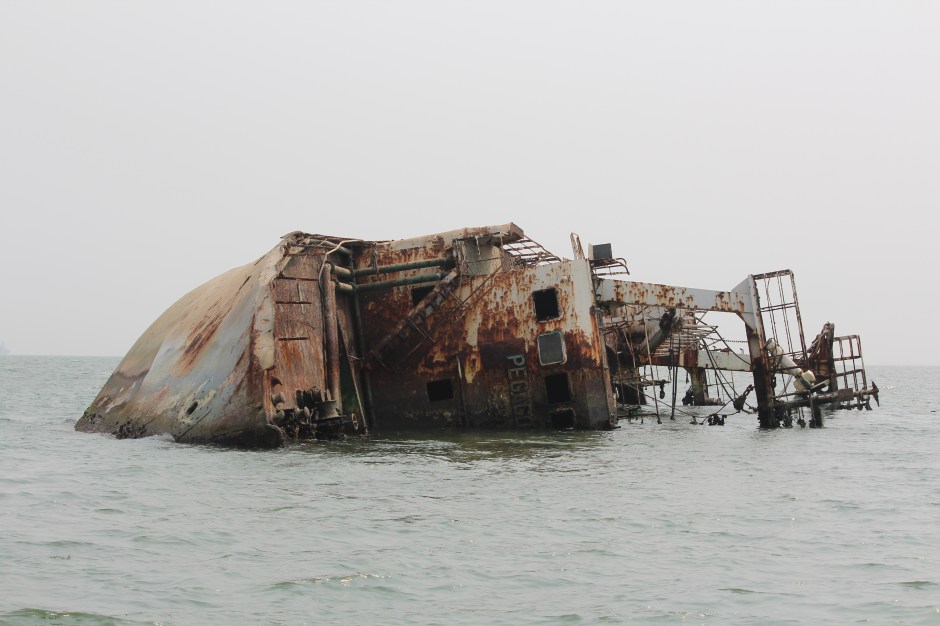
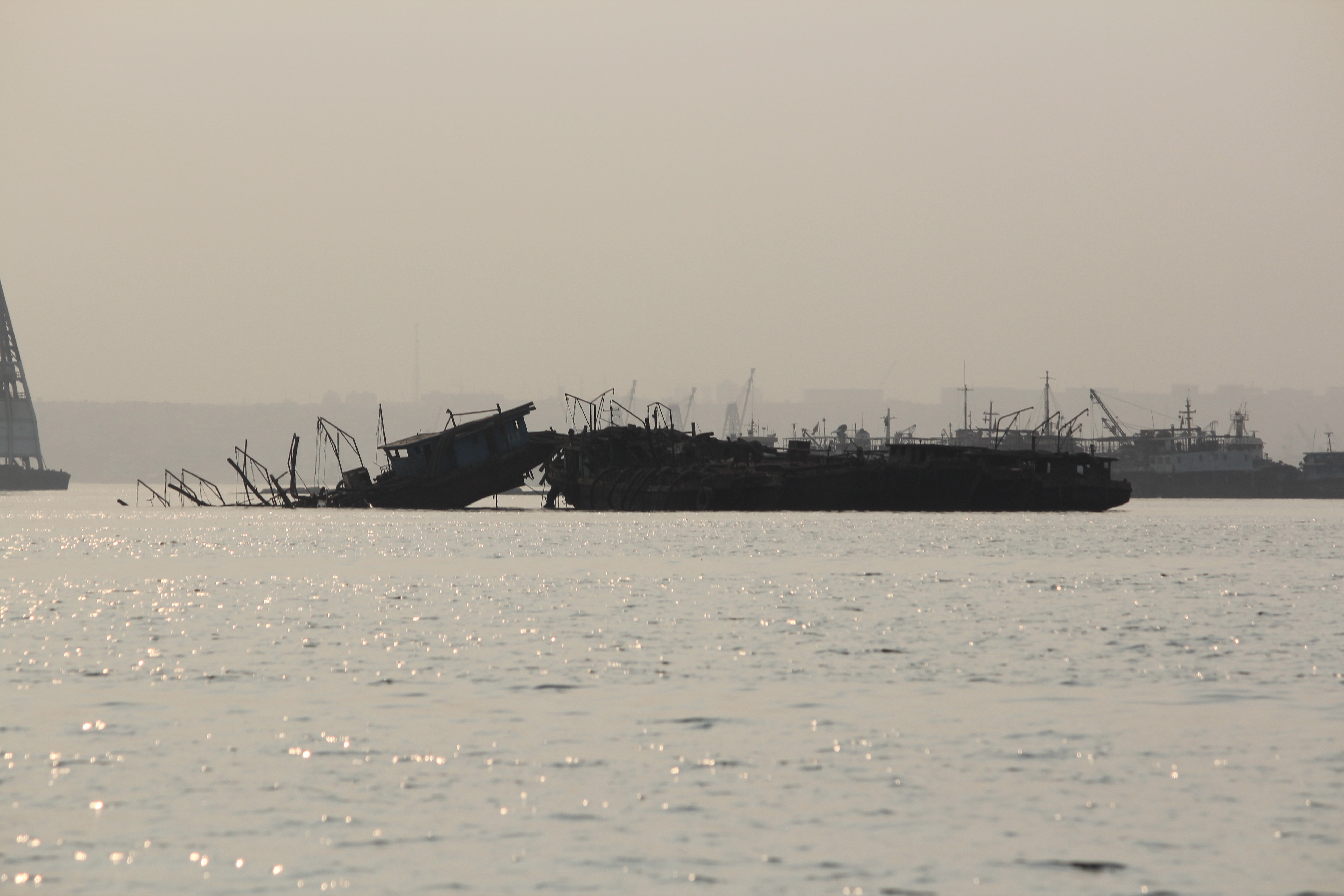
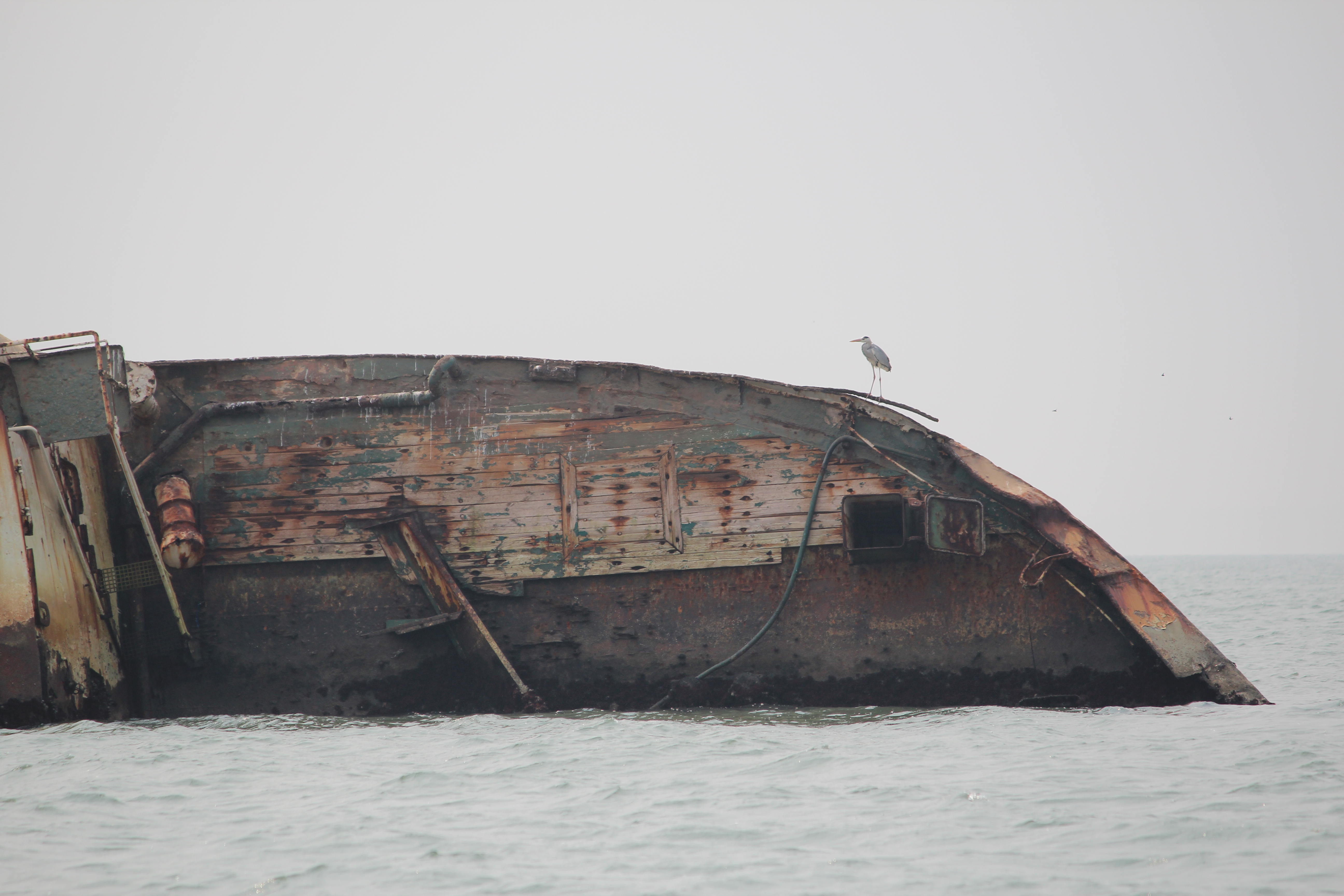
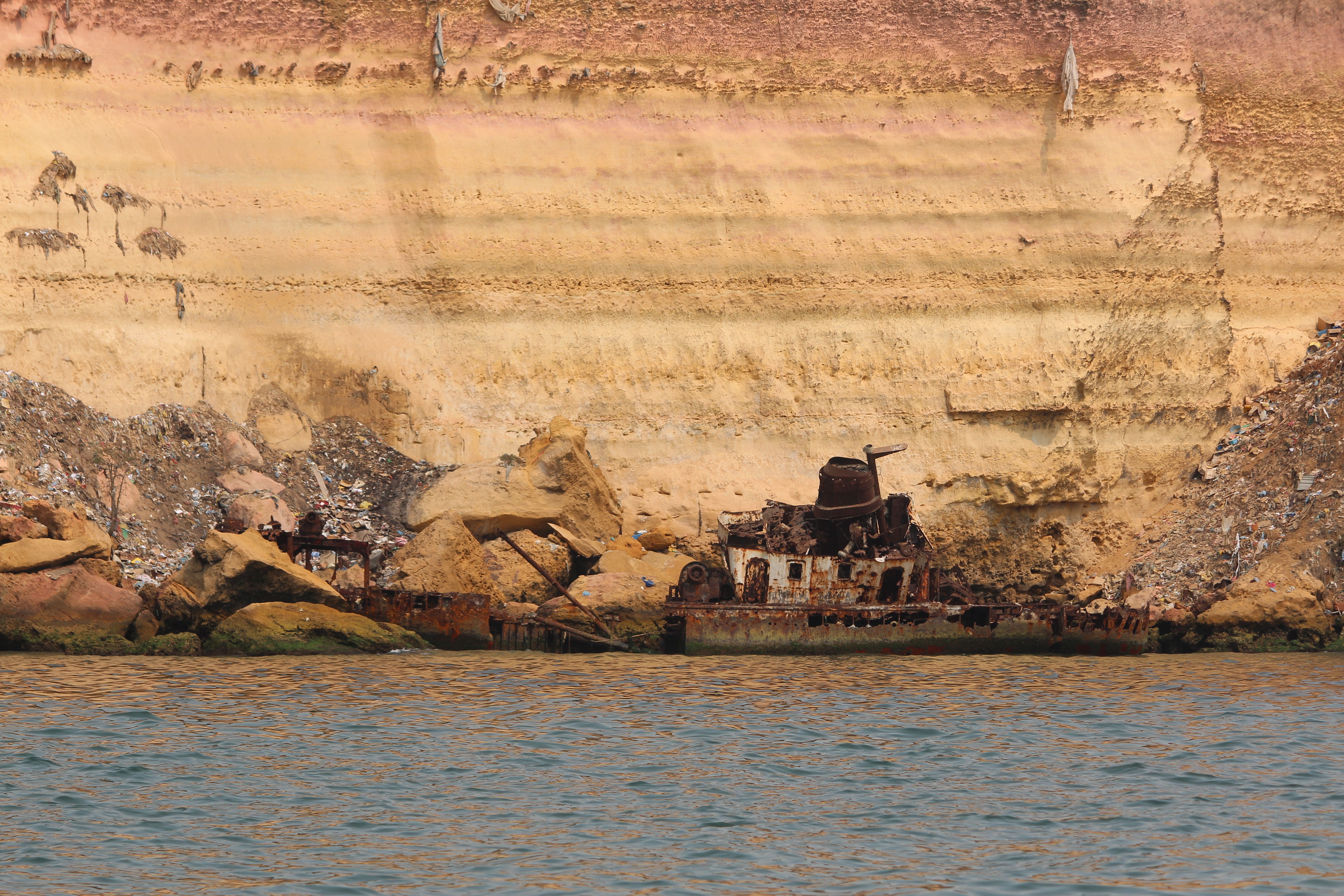
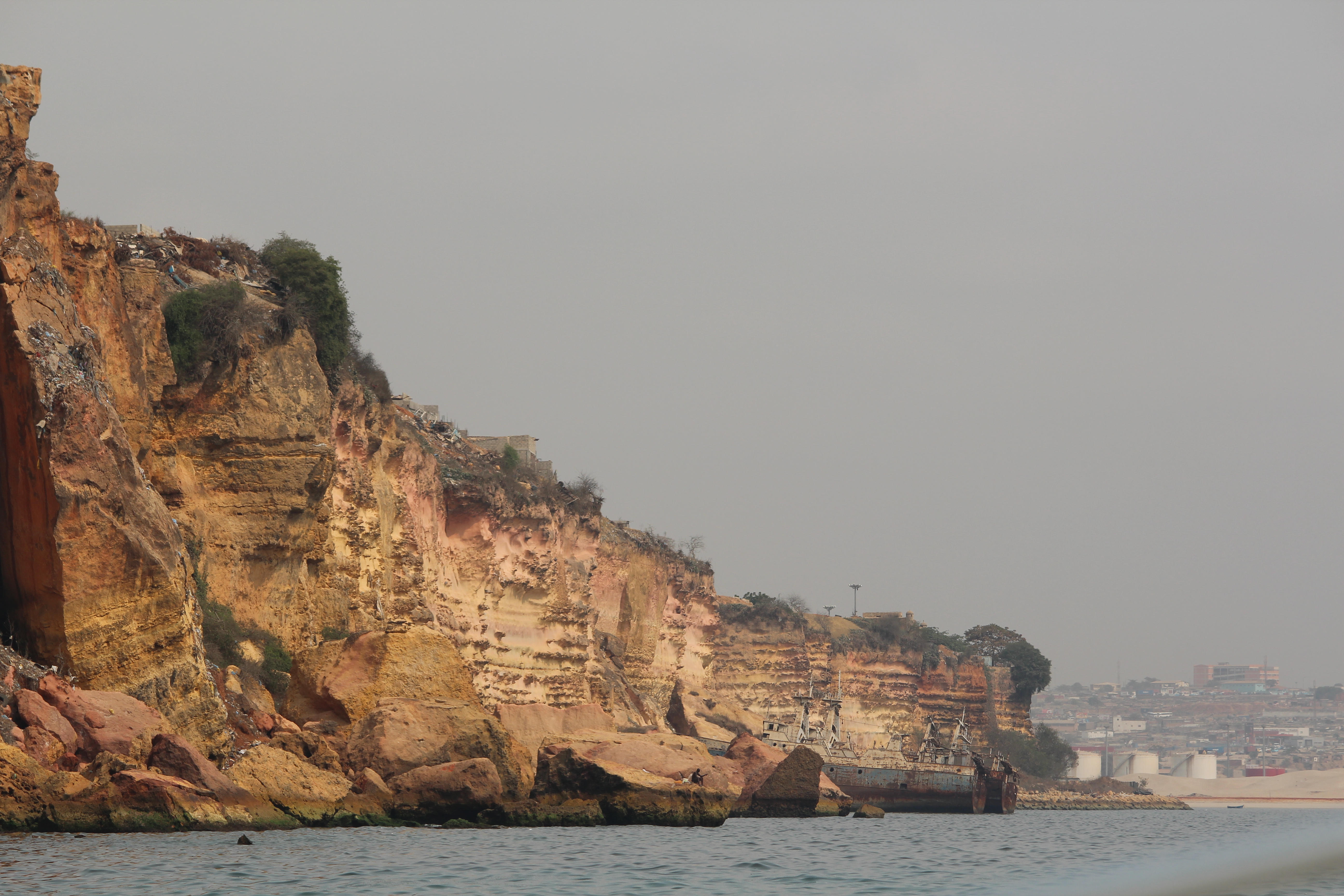
Luanda is built around it’s natural harbour. The city looks over a thin long island called Ilha. Along the harbour promenade is an area known as the Marginal, which is a popular area with expats as there are waterfront restaurants and paved jogging paths. We took a sightseeing boat trip out and around Luanda Harbour. The harbour is huge and there’s a lot of activity going on. What was really interesting, though, is the amount of shipwrecks in the harbour. Rather than tow them away or dismantle them, they have left them all in the water to rust and rot. You would think that would be toxic to the water etc., and it probably is, but that doesn’t appear to be a concern!
Port of Luanda information: http://ports.com/angola/port-of-luanda/
Here are all the photos from the trip around Luanda Harbour:
There are some expensive boats amongst the shipwrecks!
*All photos are the property of Charlotte Moore, unless stated otherwise, and may not be used without written consent.
For this post, I want to tell you about great day trip from Luanda, the capital of Angola.
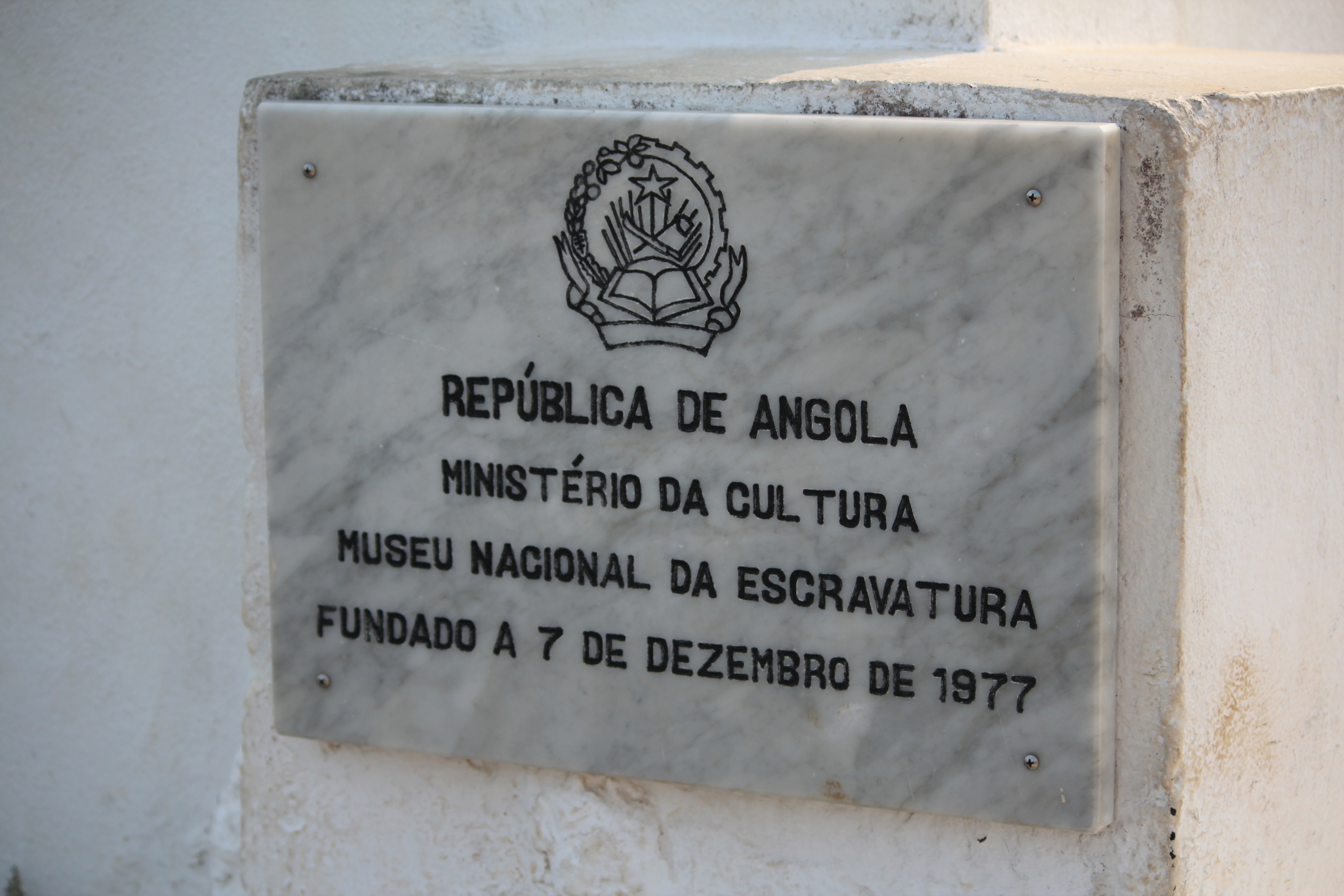
First up is the Museu Nacional da Escravatura, which translates to the National Museum of Slavery. It’s a small museum, founded in 1997, which adjoins to the Capela de Casa Grande, where slaves were baptised prior to be put on ships bound for the Americas.
The second stop is the Miradouro da Lua, or moon valley viewpoint. This roadside landscape is similar to the moon’s surface. It’s hard to explain how amazing it is, so take a look at the photos below!
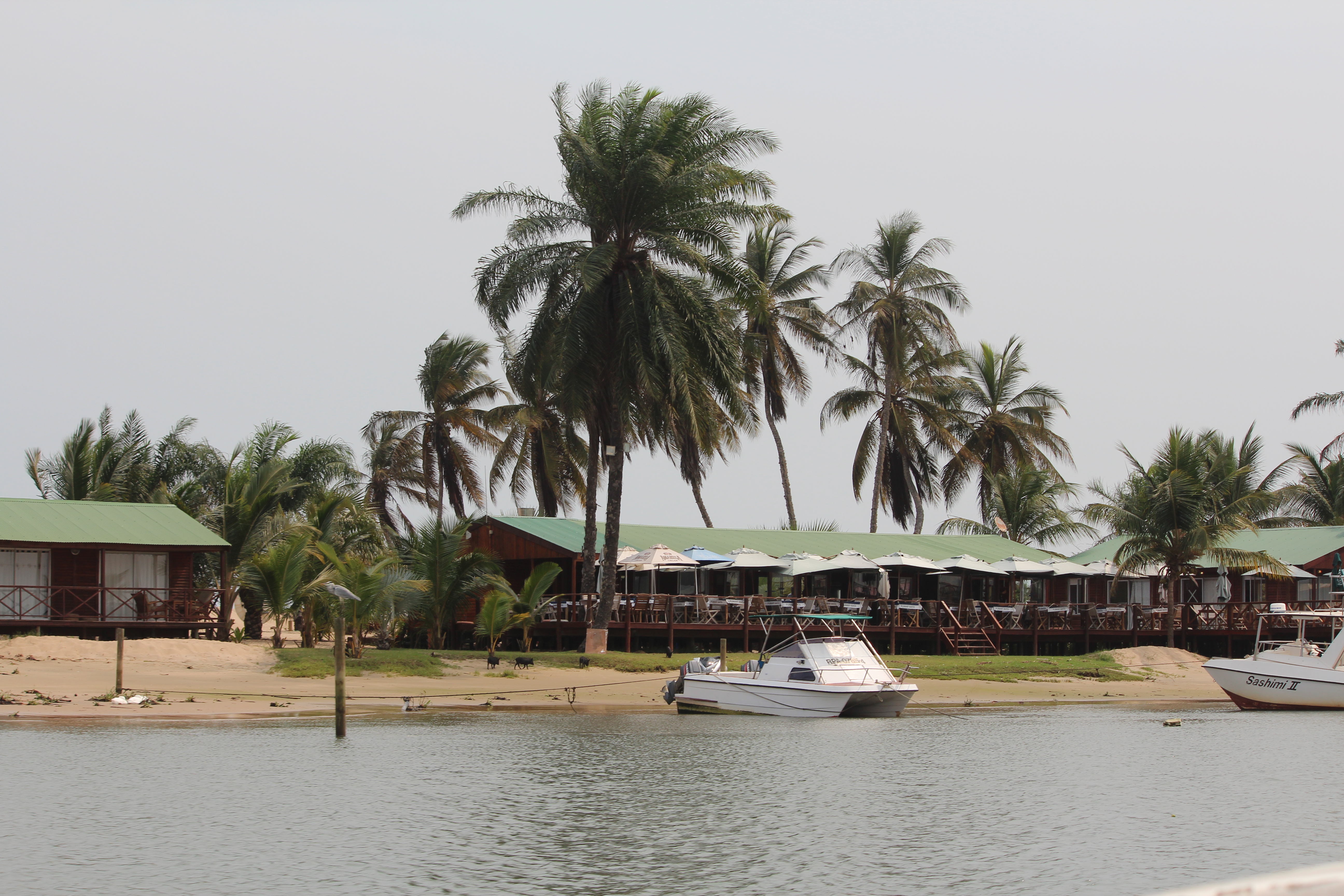
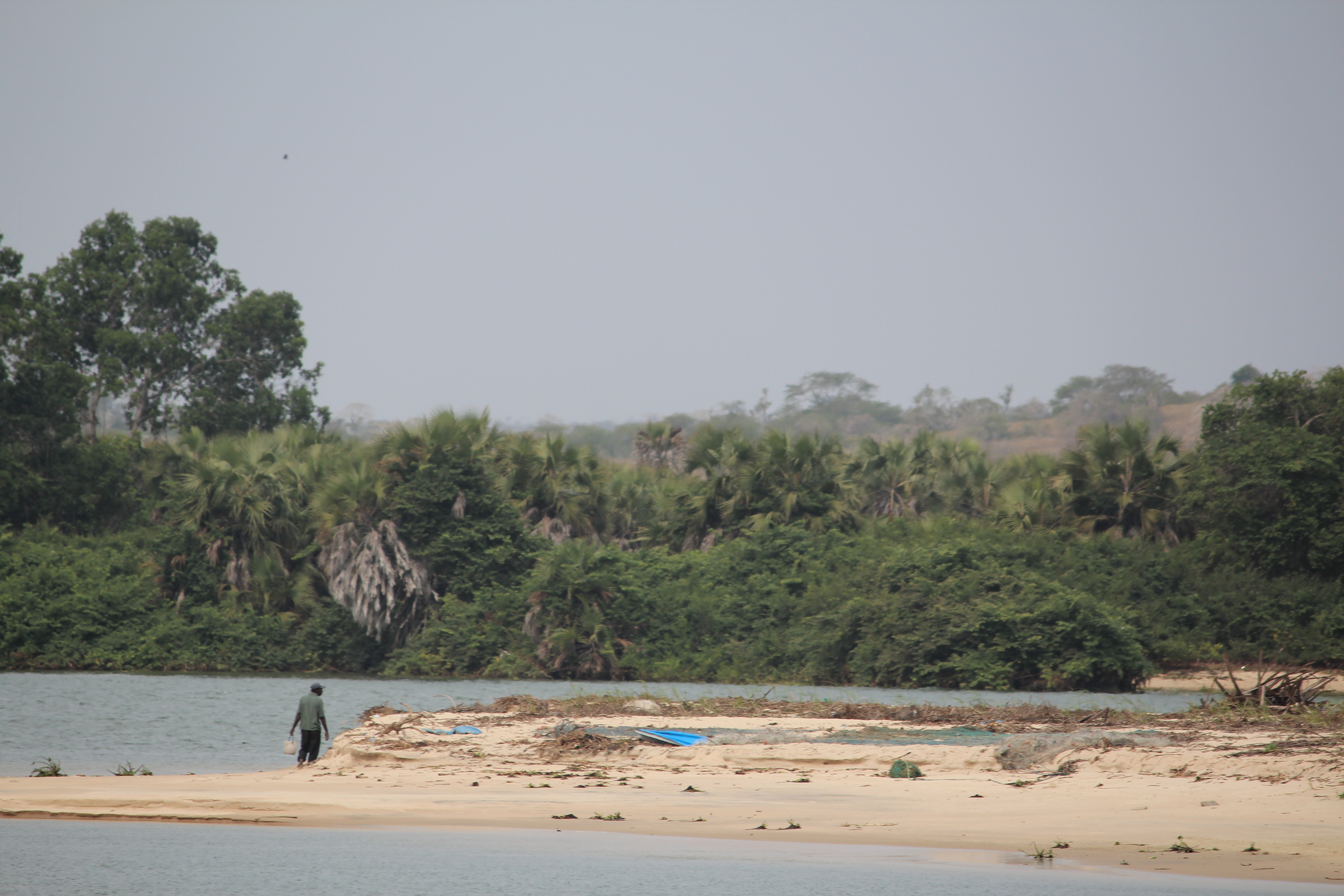
Finally, we visited the Rio Kwanza for a boat ride up and down the river, leaving from the Kwanza Lodge. The lodge is located at the mouth of the river and is popular with anglers. The river contains large numbers of tarpon and other popular game fish. In addition, just offshore are feeding grounds for marlin, sailfish and dorado (mahi-mahi).
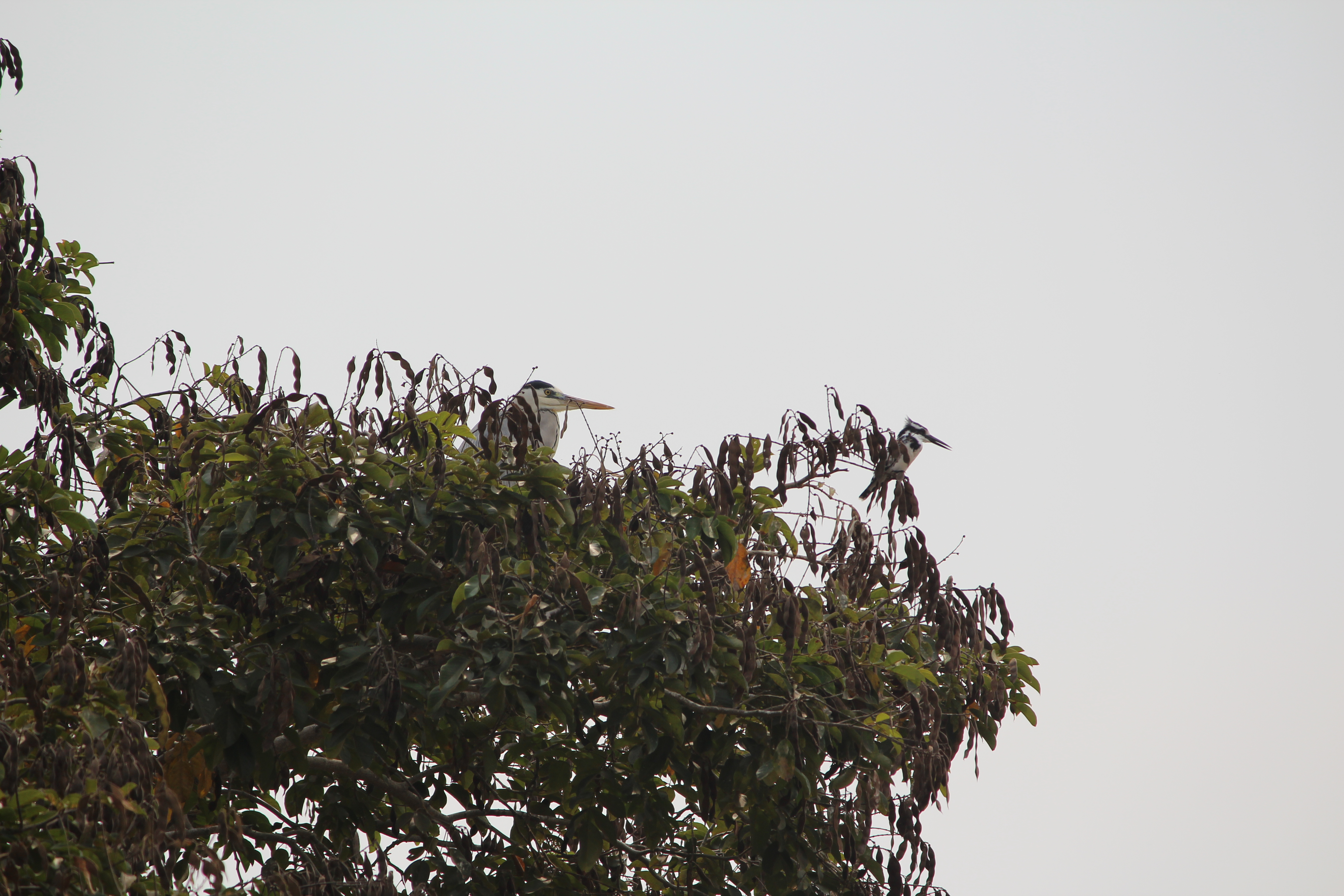
A heron and a kingfisher
*All photos are the property of Charlotte Moore, unless stated otherwise, and may not be used without written consent.
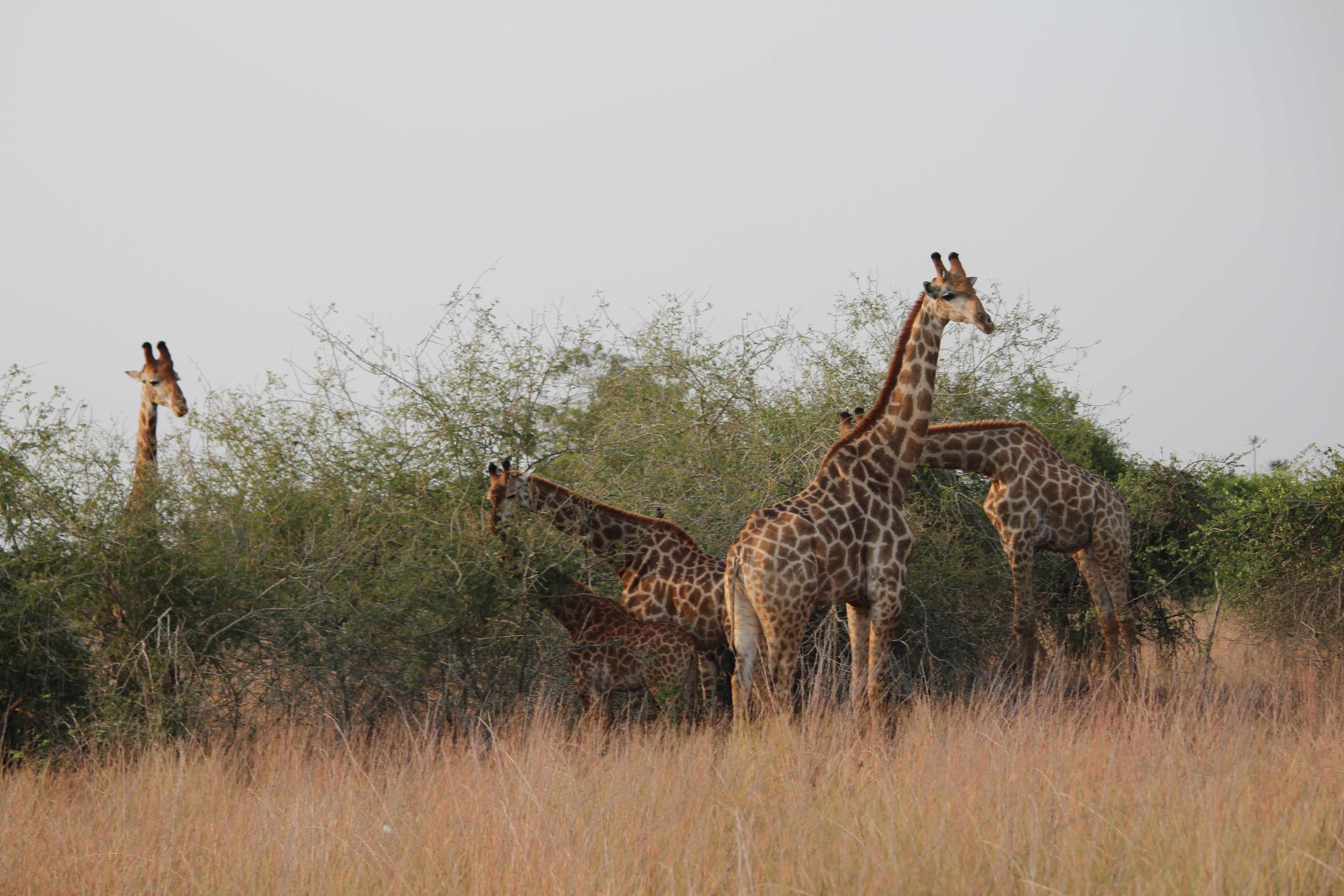
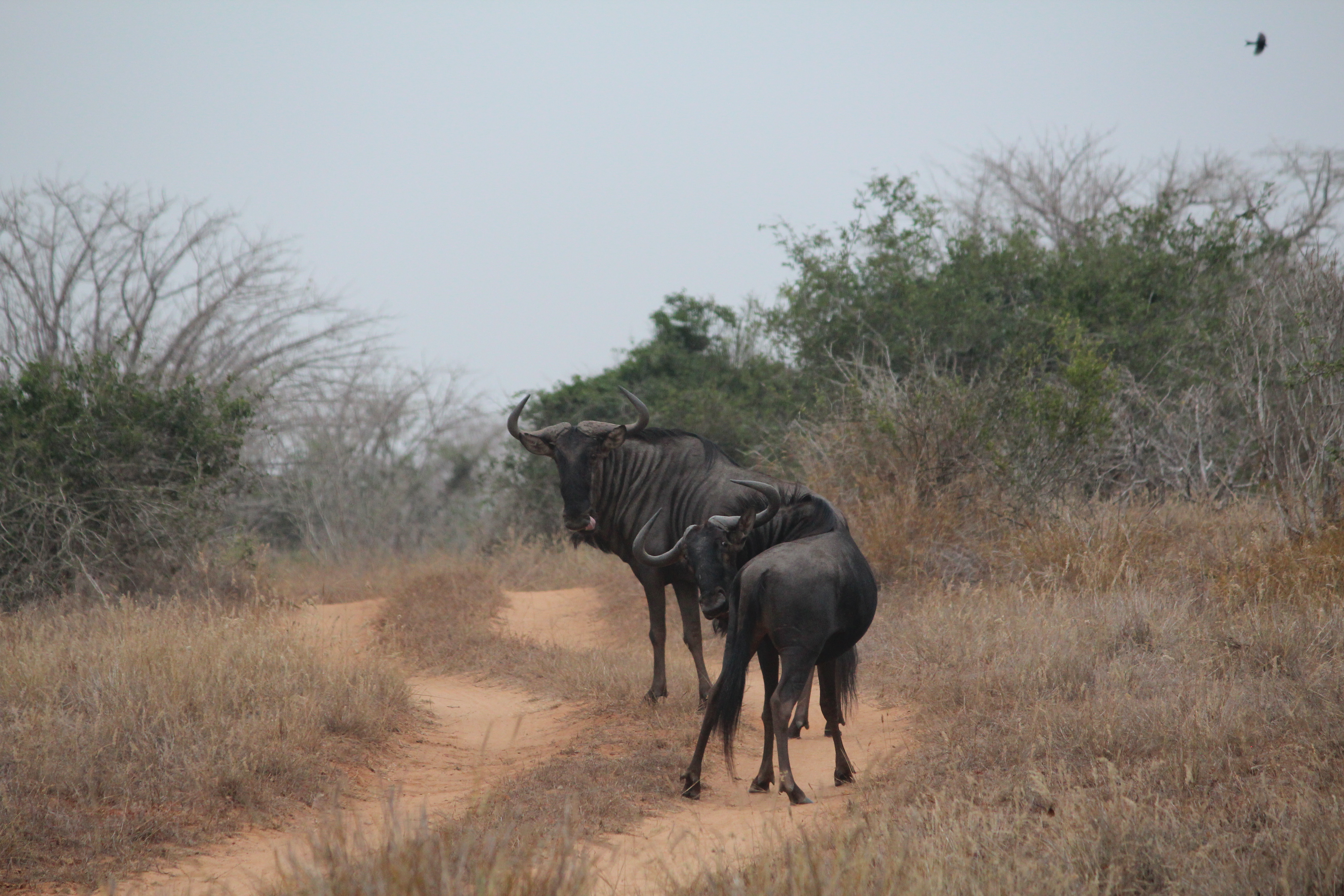
Kissama National Park (sometimes referred to as Quicama National Park) is in the Bengo province of northwestern Angola. It’s about 75km south from the capital city of Luanda. It is the only national park still functioning since the Angolan Civil War. The park was actually established in 1938, and used to be home to large game animals including elephants. However, the animal population was nearly wiped out due to poaching during the civil war. After the war in 2001, Operation Noah’s Ark was formed to move animals from overpopulated areas in Botswana and South Africa to Kissama to repopulate the park. The operation was very successful, and is the largest animal transplant program to date. Animals introduced include elephants, giraffe, eland, kudu, wildebeest, zebra, and ostrich.
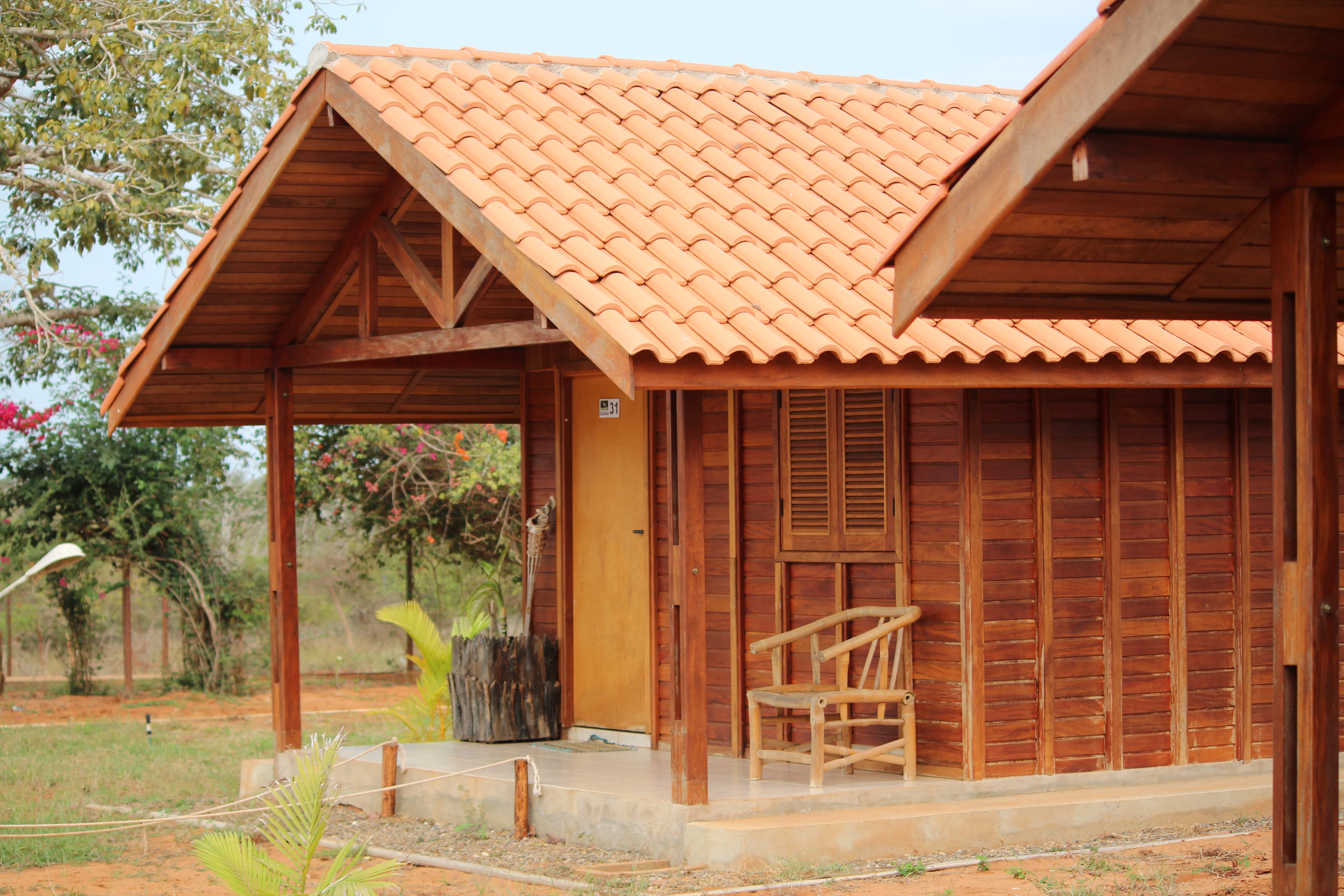
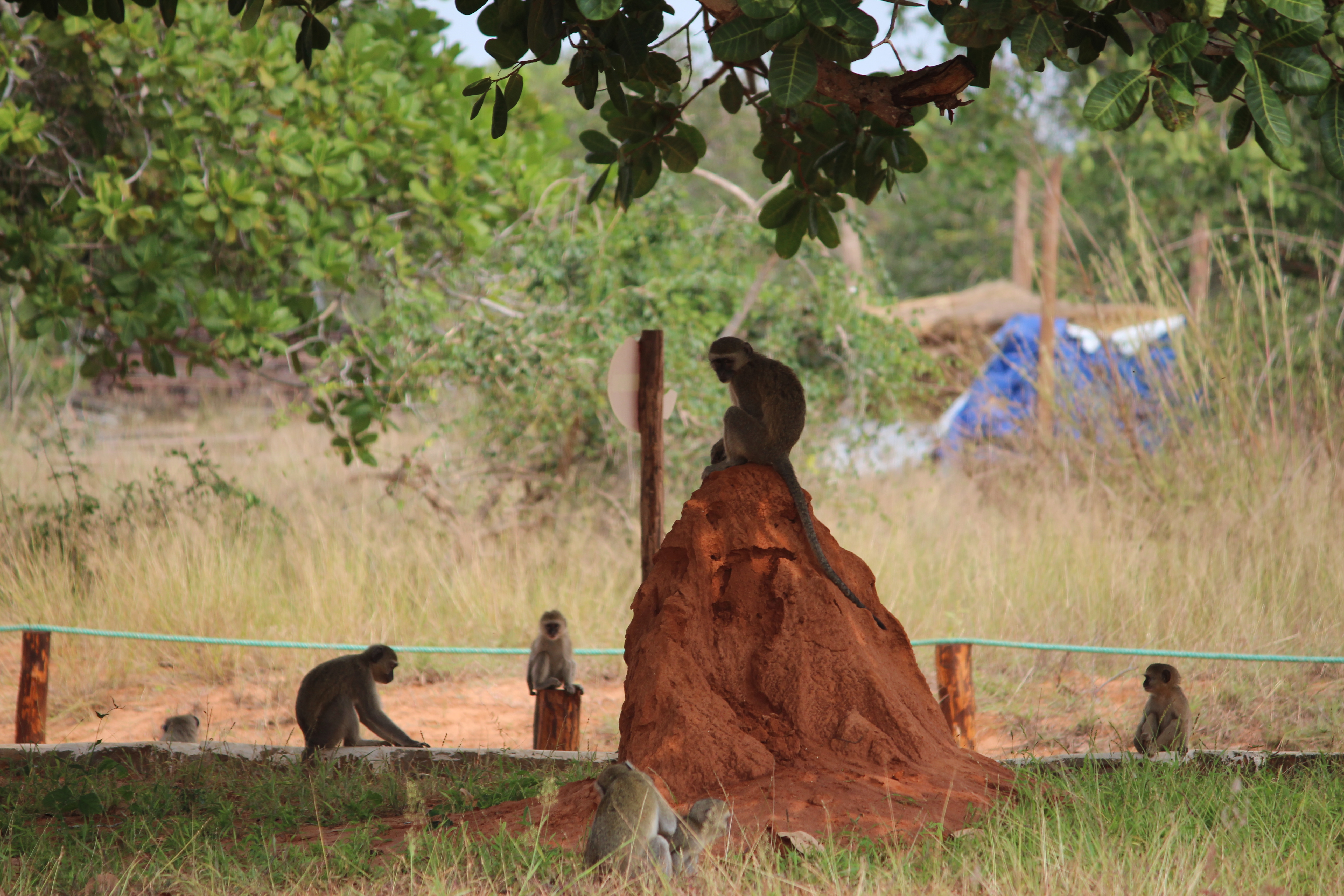
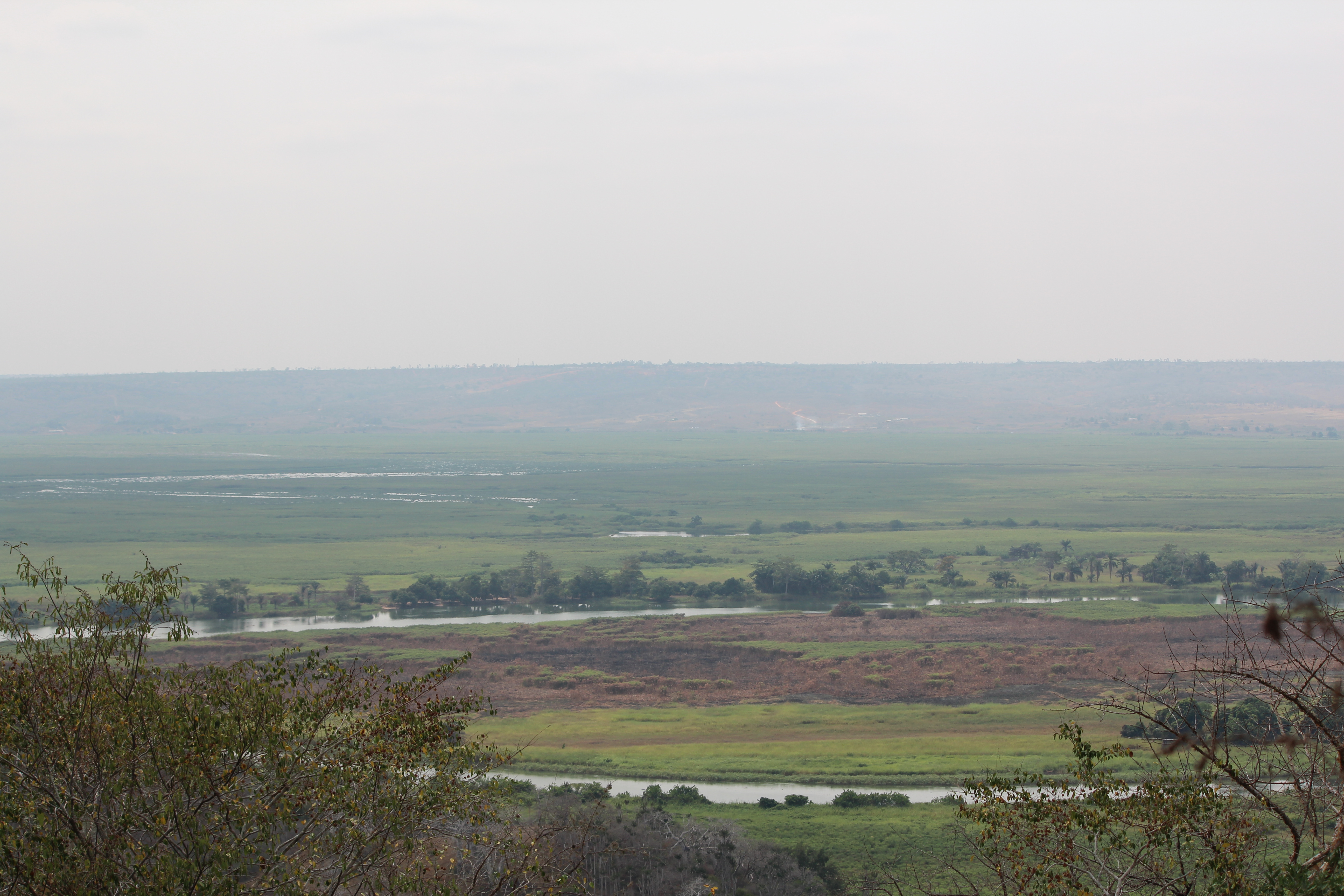
The park is bordered by the River Kwanza on the north, and the Longo river on the south. The Atlantic coast is to the west. The park contains a lodge/rest camp, called the Kurica Safari Lodge, which has basic, but quite new, bungalows. From the camp, you can go on game drives in a unimog, and meals are prepared for dinner and breakfast. The camp overlooks the flood plan for the Kwanza river. And to top it off, the camp is full of cheeky vervet monkeys!
Vervet MonkeySafari trucksOur bungalowMore vervet monkeysImbondeiro (baobab) tree and guineafowlView of the River Kwanza from the campGiraffe family!BushbuckWildebeestsWildebeest 🙂
*All photos are the property of Charlotte Moore, unless stated otherwise, and may not be used without written consent.
For the final portion of our trip, we flew from Chiang Mai over to Phuket. We stayed at the beautiful Cape Panwa Resort, on the southernmost point of the island (http://www.capepanwa.com/). It was a great spot to get away from the hustle and bustle of the island. Our hotel had a shuttle to take us to the local town, where we had a great dinner on the beach.
The view from our room at the Cape Panwa.Sunset on the beach at the Cape Panwa
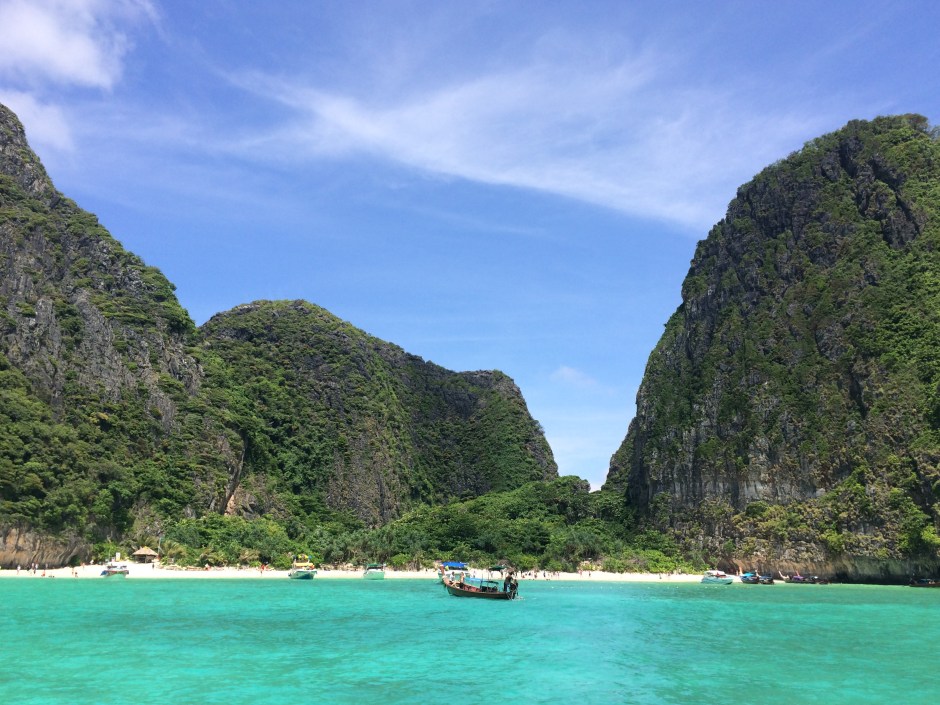
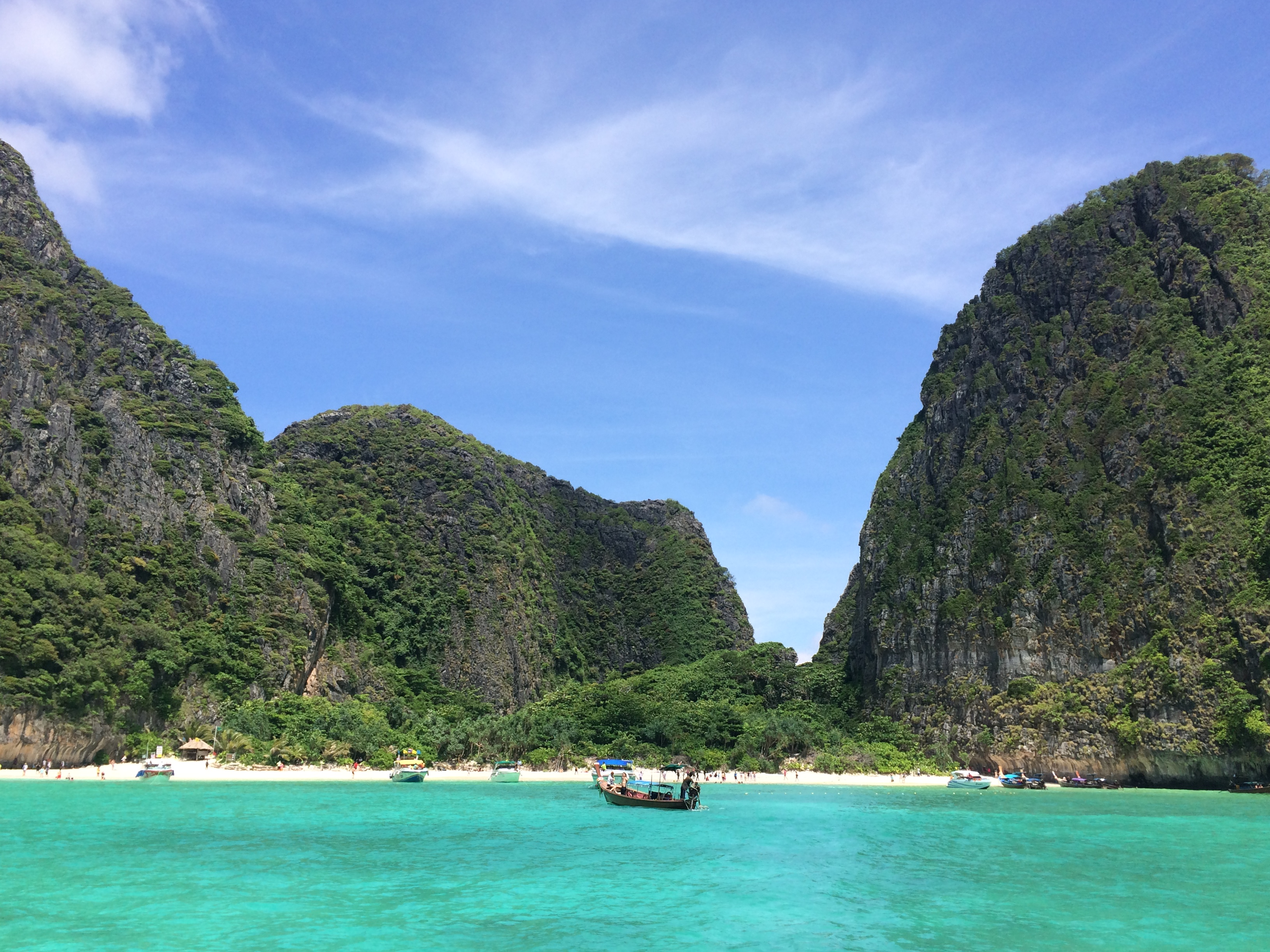
From our hotel, we booked 2 day trips – first to Koh Phi Phi Don, to Maya Bay, also known as the famous beach from the Leonardo DiCaprio film “The Beach, and then on the 2nd day we went to James Bond Island on a kayaking tour. I had been really excited to go to James Bond Island from the minute I booked the trip to Thailand 🙂
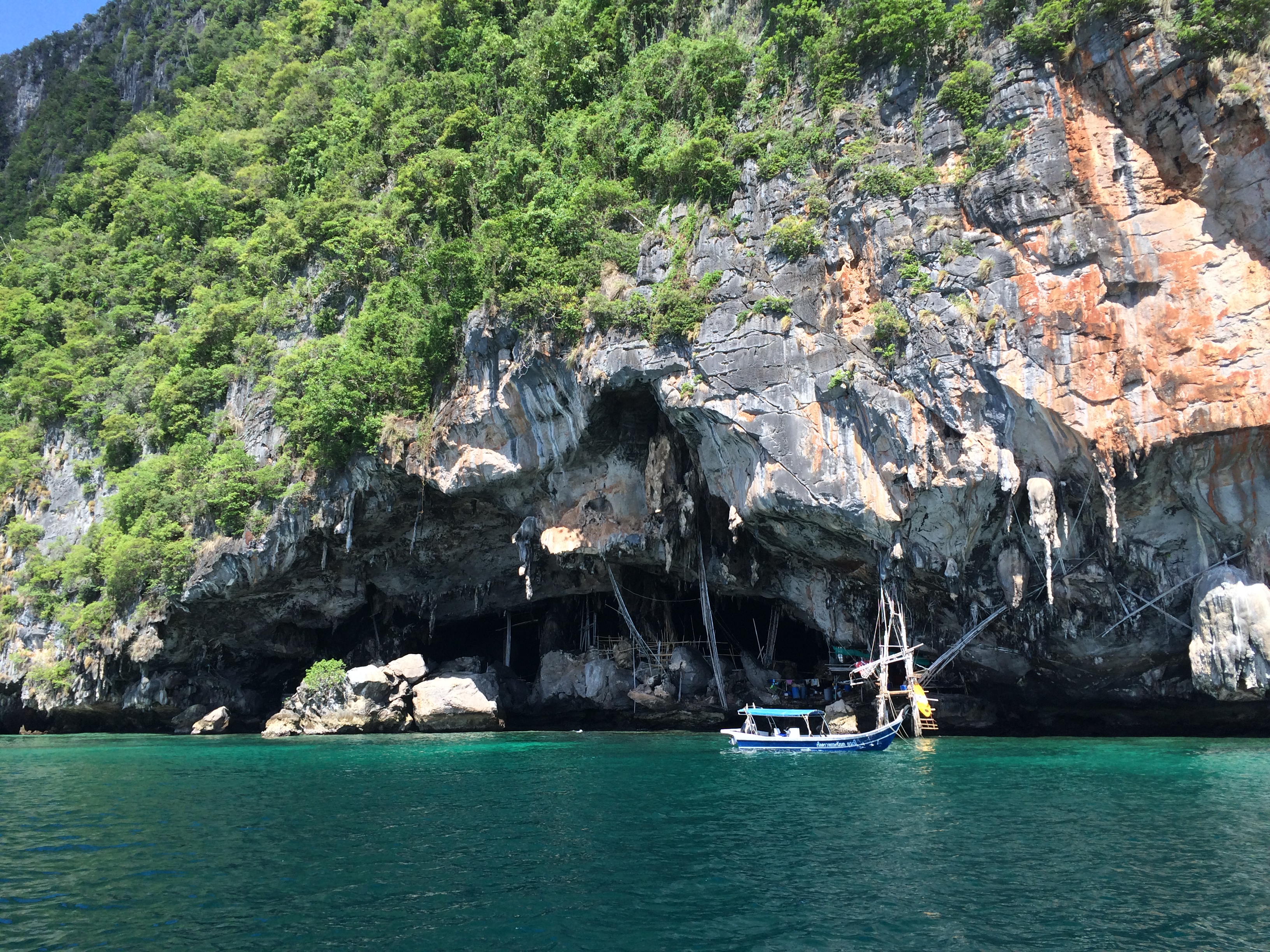
On the first trip, we stopped at Viking Cave. This cave is full of thousands of birds called swifts. They make nests out of their saliva, which is harvested to make bird’s nest soup, a delicacy.
Viking Cave
After the cave, we made a quick stop off in a lagoon for some snorkeling.
And then headed over to Maya Bay!
Welcome to Maya Bay, Krabi, Thailand!“The Beach”
On the island, you could walk through the jungle, through a shallow lagoon, up and over some steps to a lookout point on the other side. Here is that photo!
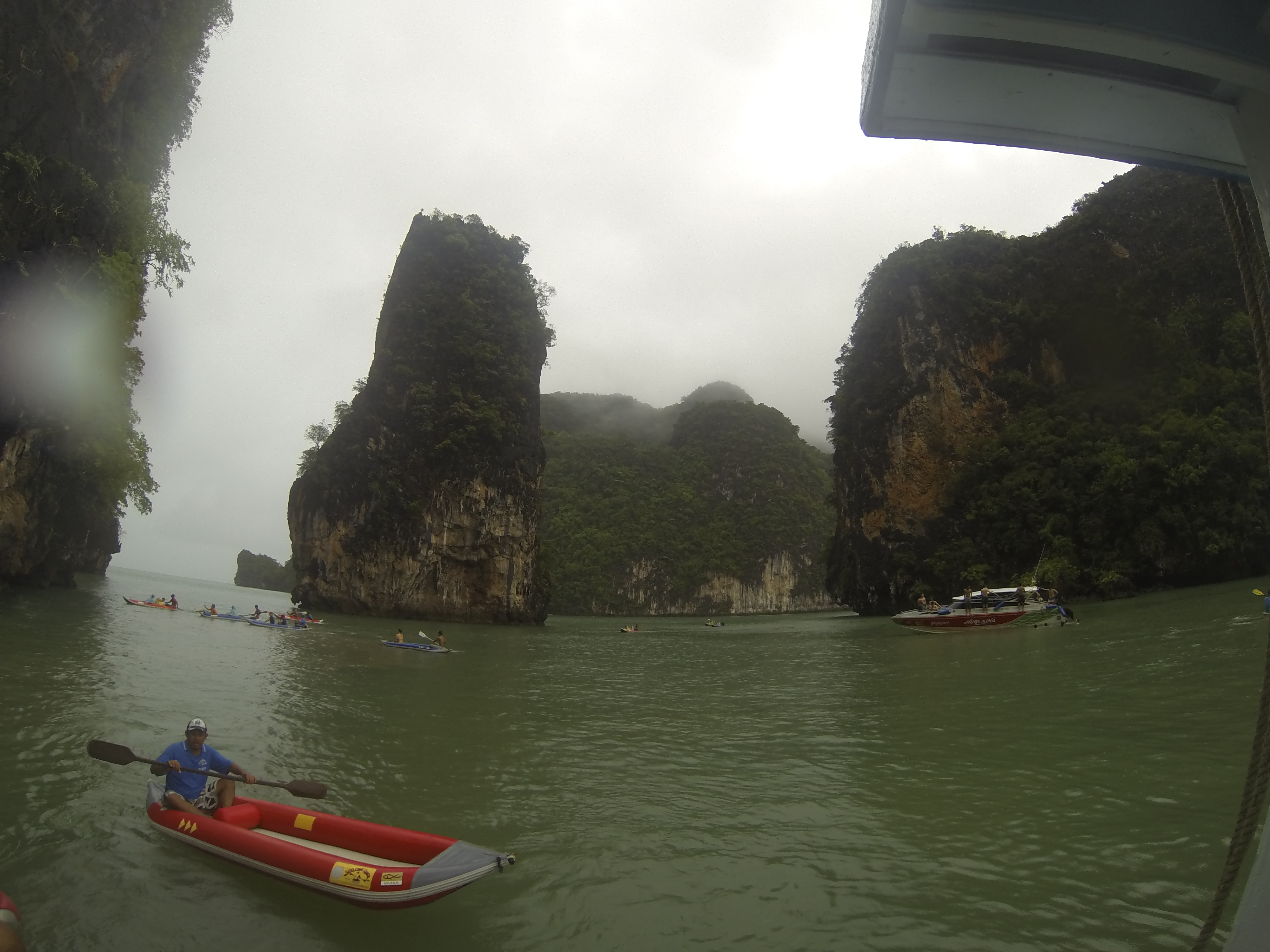
On the second day, we went off on our kayaking James Bond Island trip. Unfortunately, it was the only grey and rainy day on our entire trip, but at least it wasn’t unbearably hot! We stopped at some caves and hopped into our inflatable kayaks. It was two people per kayak plus our guide, who did all the paddling 🙂
This was great fun because we were able to go close to the cliffs. We also went through a cave where we had to lie completely flat to fit through, and then went into a hidden lagoon. The cave was also full of bats and you could hear them chirping, plus it was super stinky.
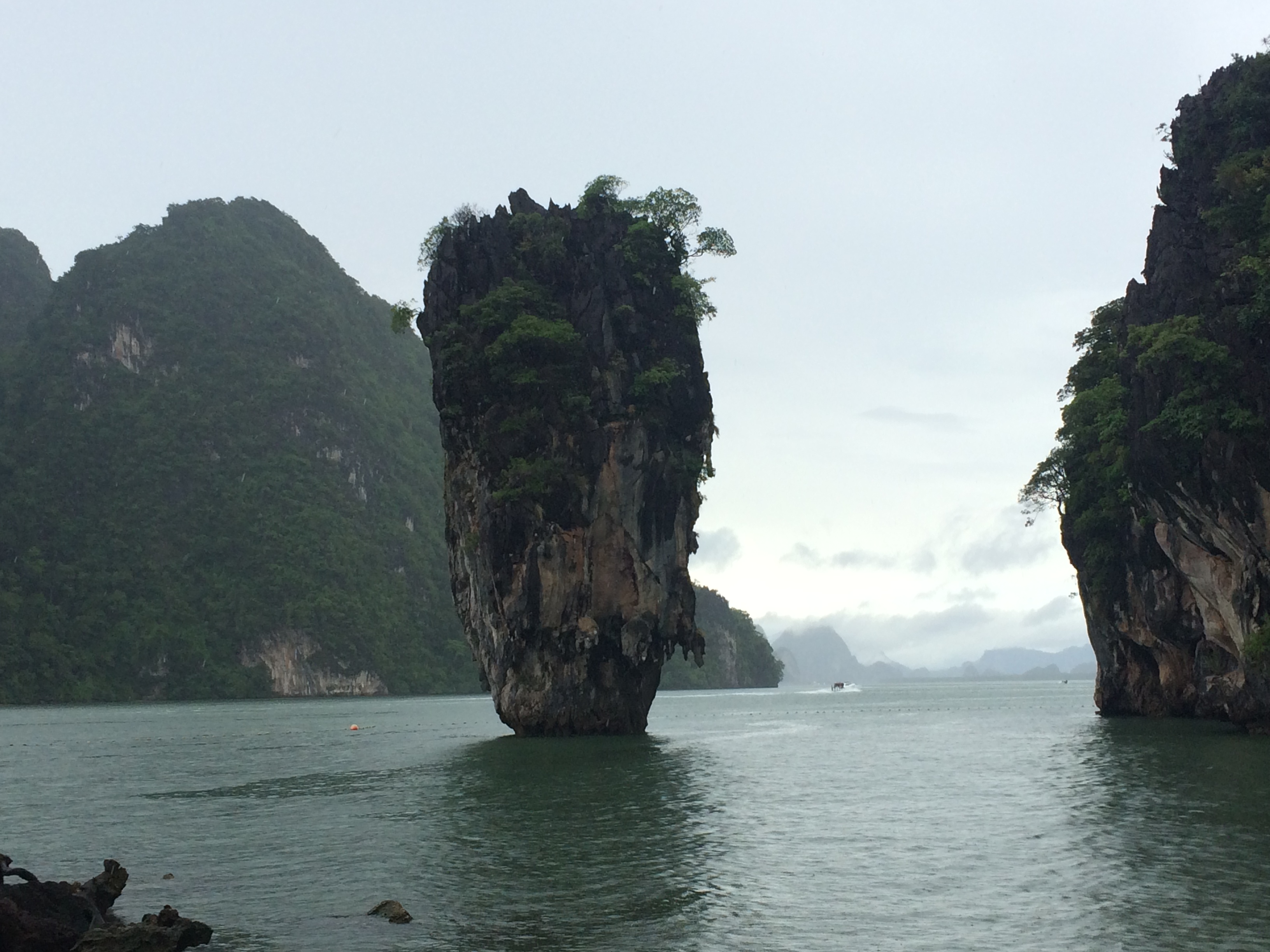
After a buffet lunch on board, we headed to the main attraction, James Bond Island, where they filmed The Man With The Golden Gun!
James Bond Island!
Sadly, it is a bit of a tourist trap – but spectacular nonetheless. Glad I was able to make this the final stop on my amazing trip to Thailand!!
*All photos are the property of Charlotte Moore, unless stated otherwise, and may not be used without written consent.
The last place we visited on the mainland was Chiang Mai. Chiang Mai is the largest and most culturally significant city in Northern Thailand. It was also my favourite city to visit on the trip.
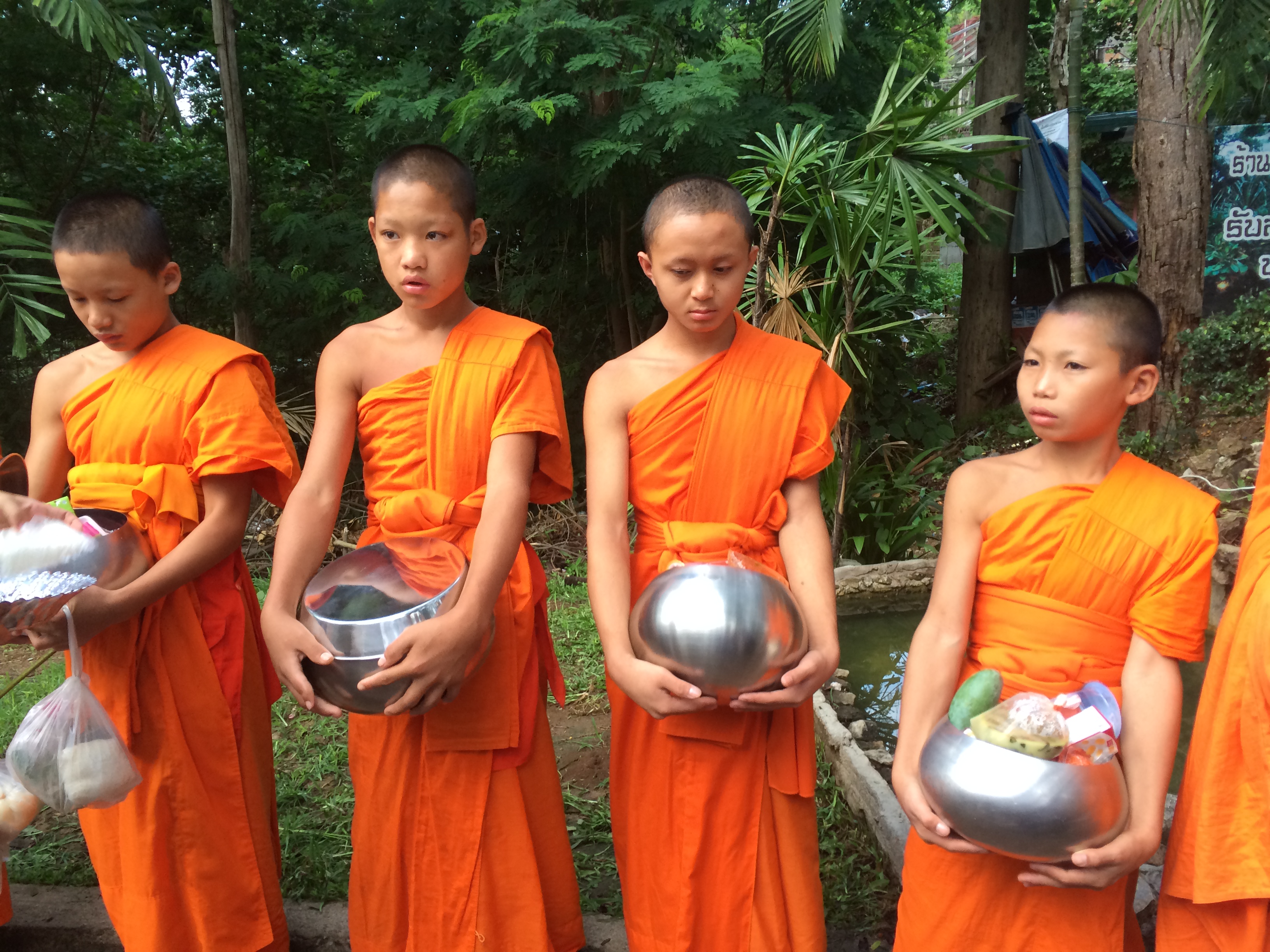
On our first morning, we got up really early to present food and other offerings to the monks. Afterwards, we were giving a blessing.
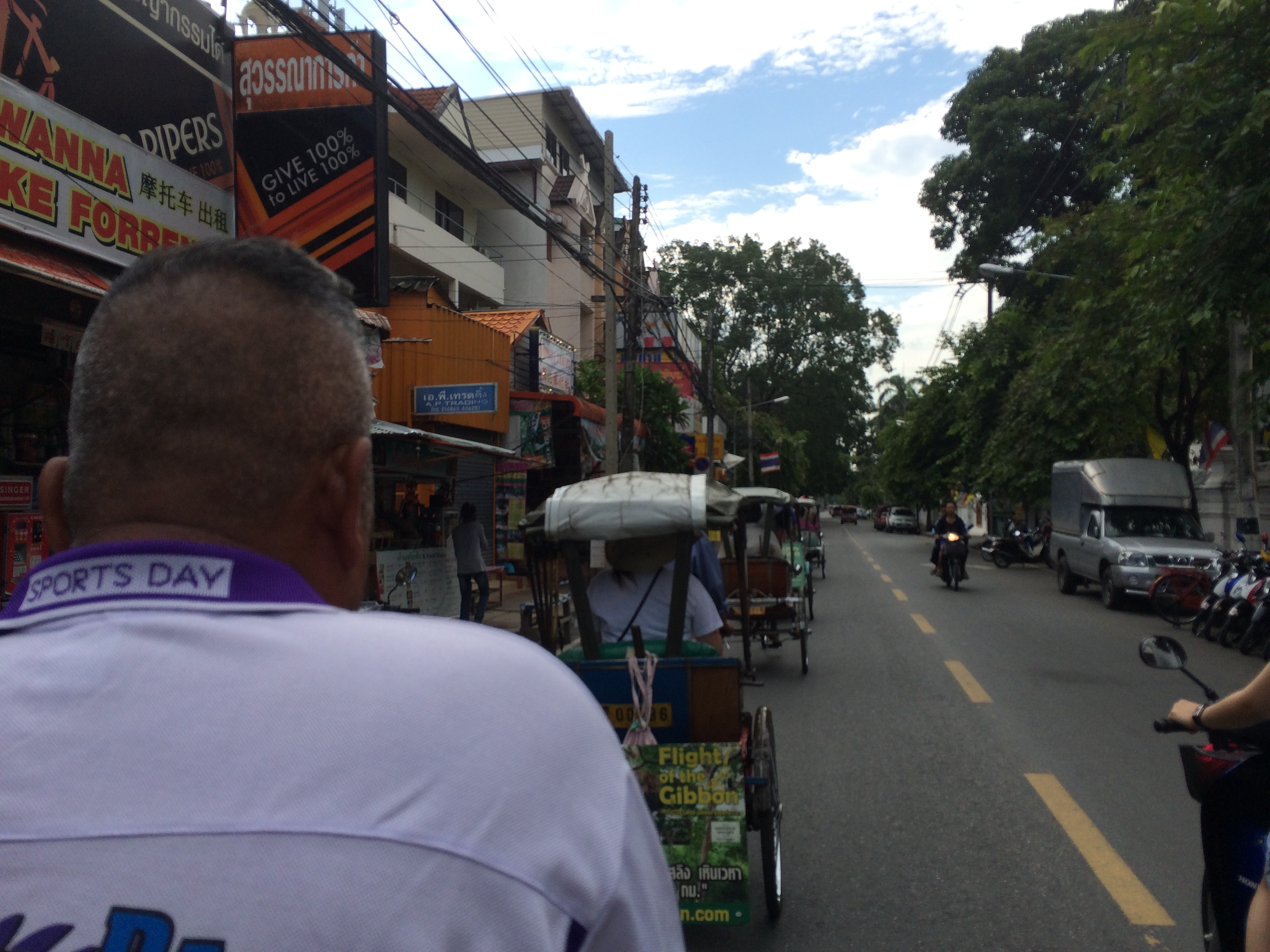
Then we went around the old part of Chiang Mai via trishaw.
We stopped in a market and at a couple of different temples, including this beautiful one: Wat Ket.
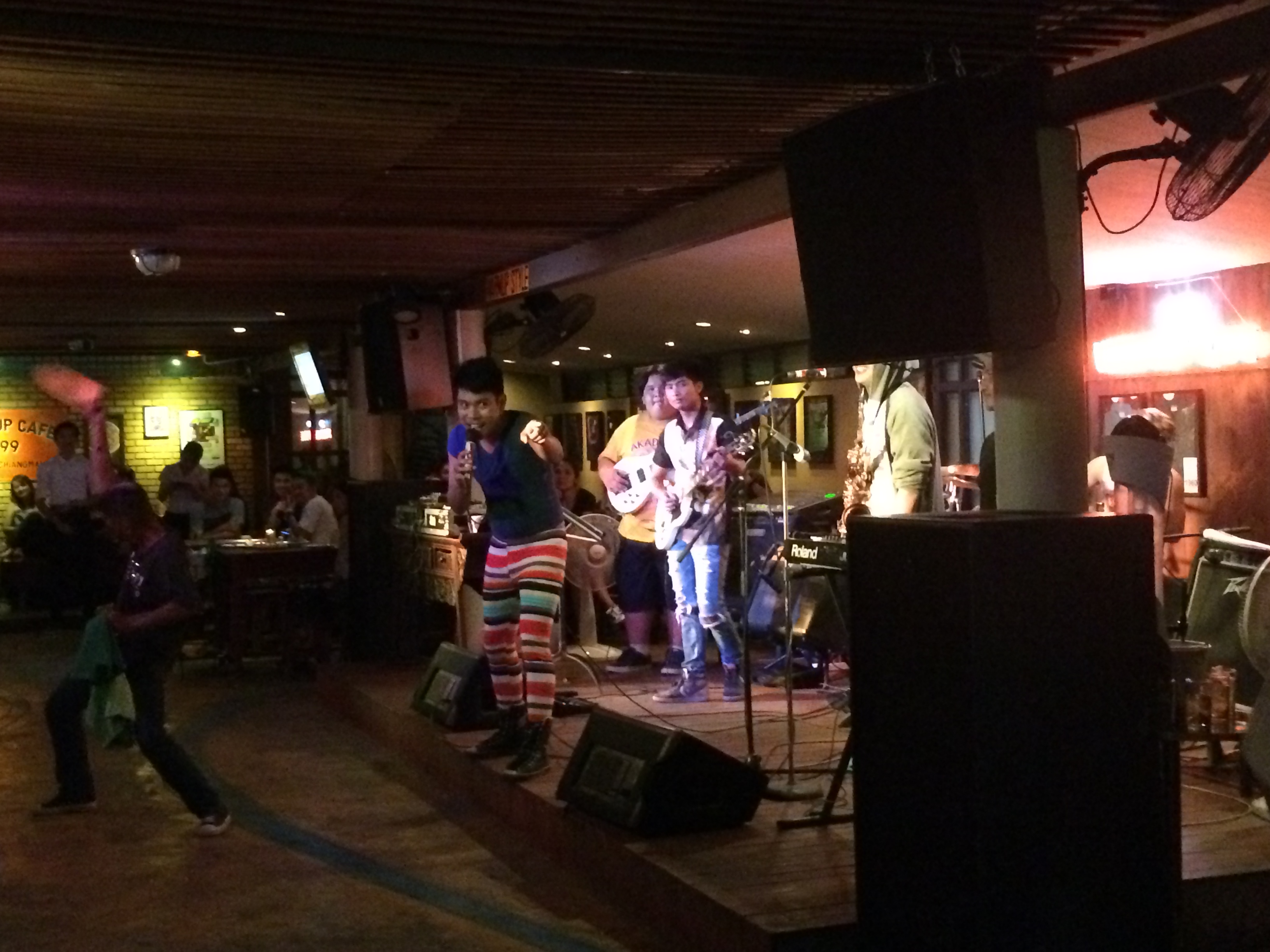
In the evening, we visited a nightclub called Warm Up Cafe. We ended up going here a few times during our stay. This was an awesome local band that were playing the first night we went there.
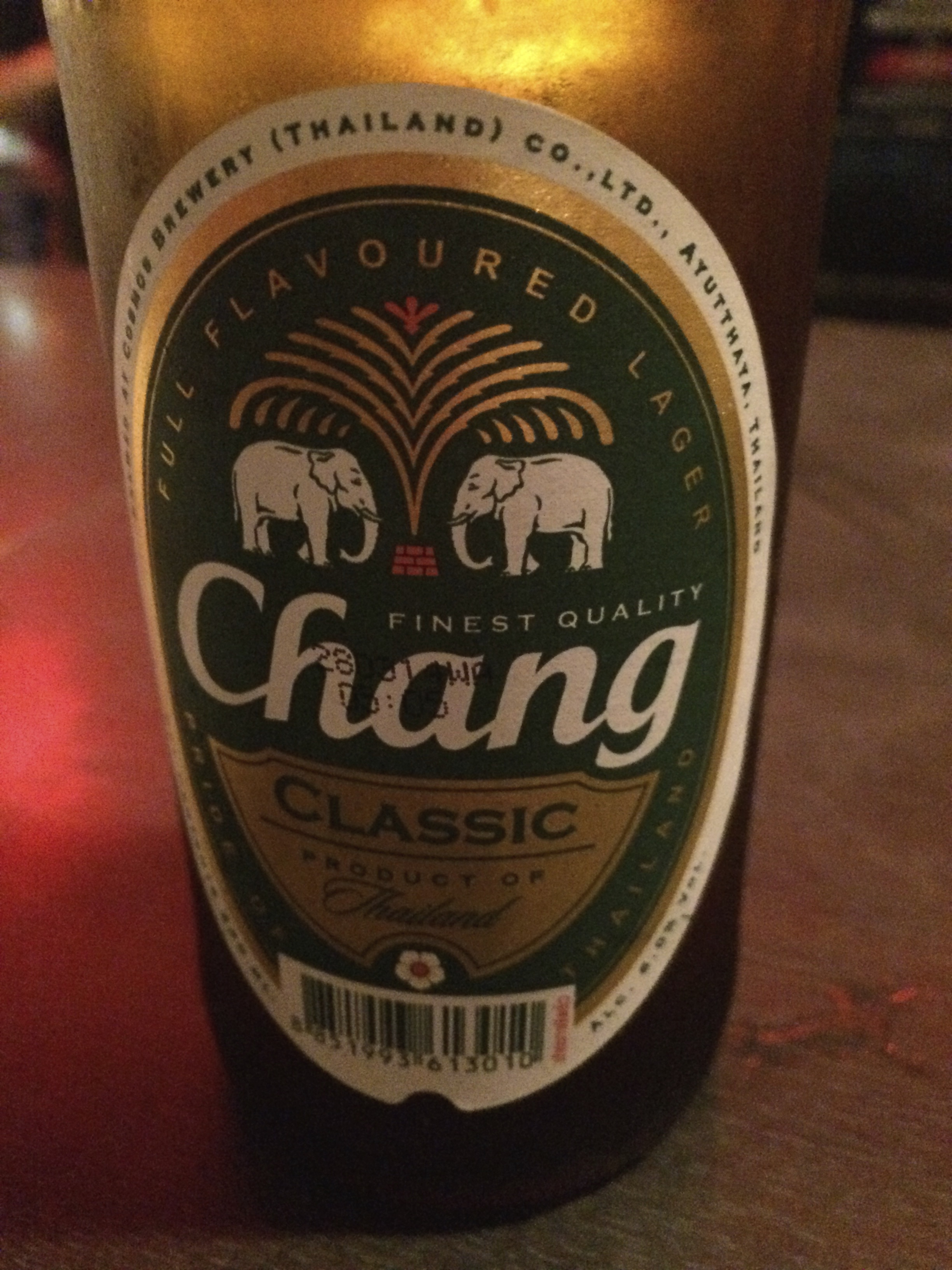
And some local beer, Chang!
The next day, we visited the Mae Sa Elephant Camp, where we rode an elephant through the jungle, watched the elephants bathing in the river, and watched a show they put on (playing soccer etc.). Some of the elephants there are trained to do paintings, and those are available for purchase. While riding through the jungle, we were able to feed the elephants sugarcane and bananas.
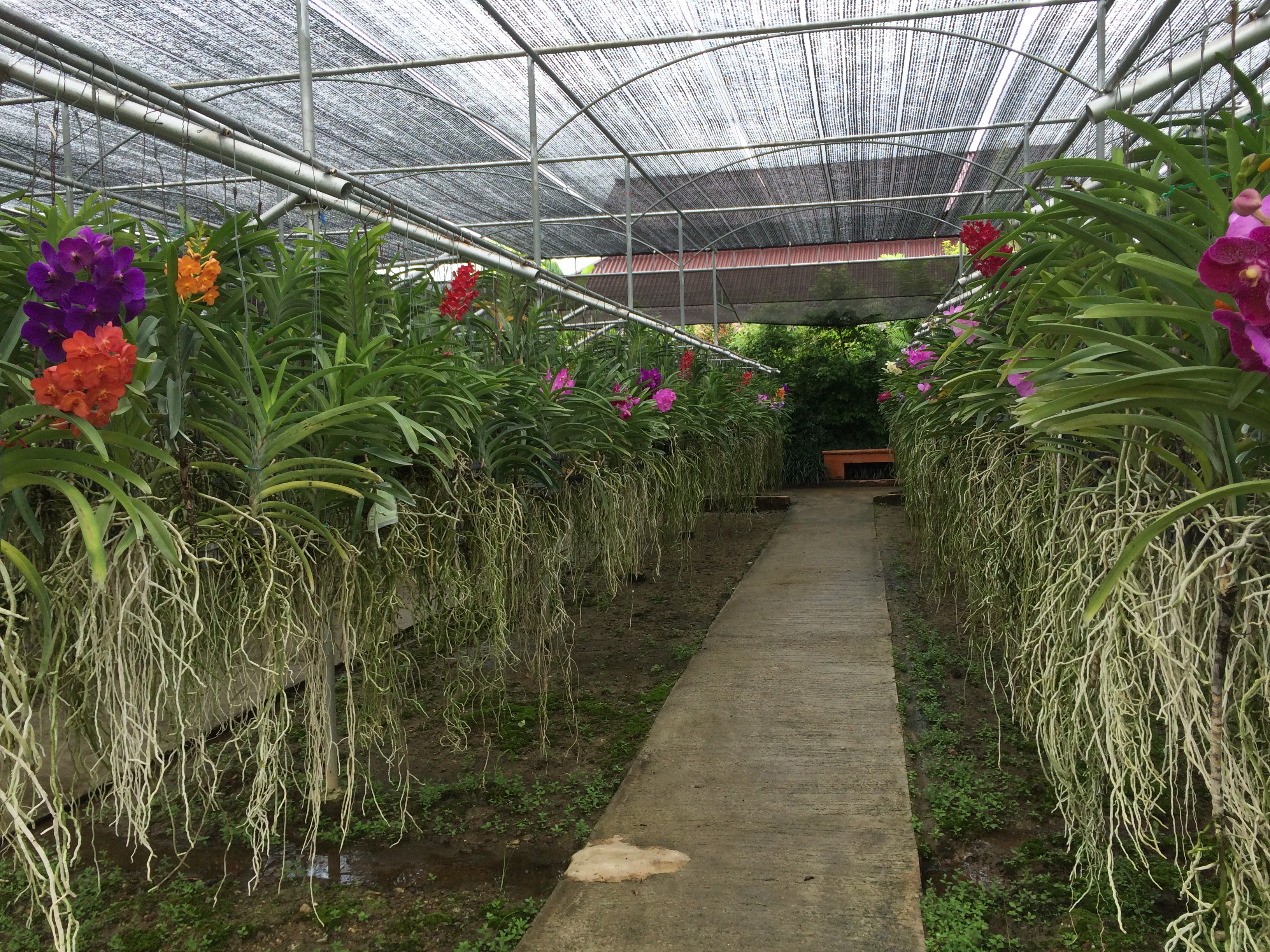
After the elephant camp, we stopped at an orchid farm. I purchased a necklace made from a dried orchid.
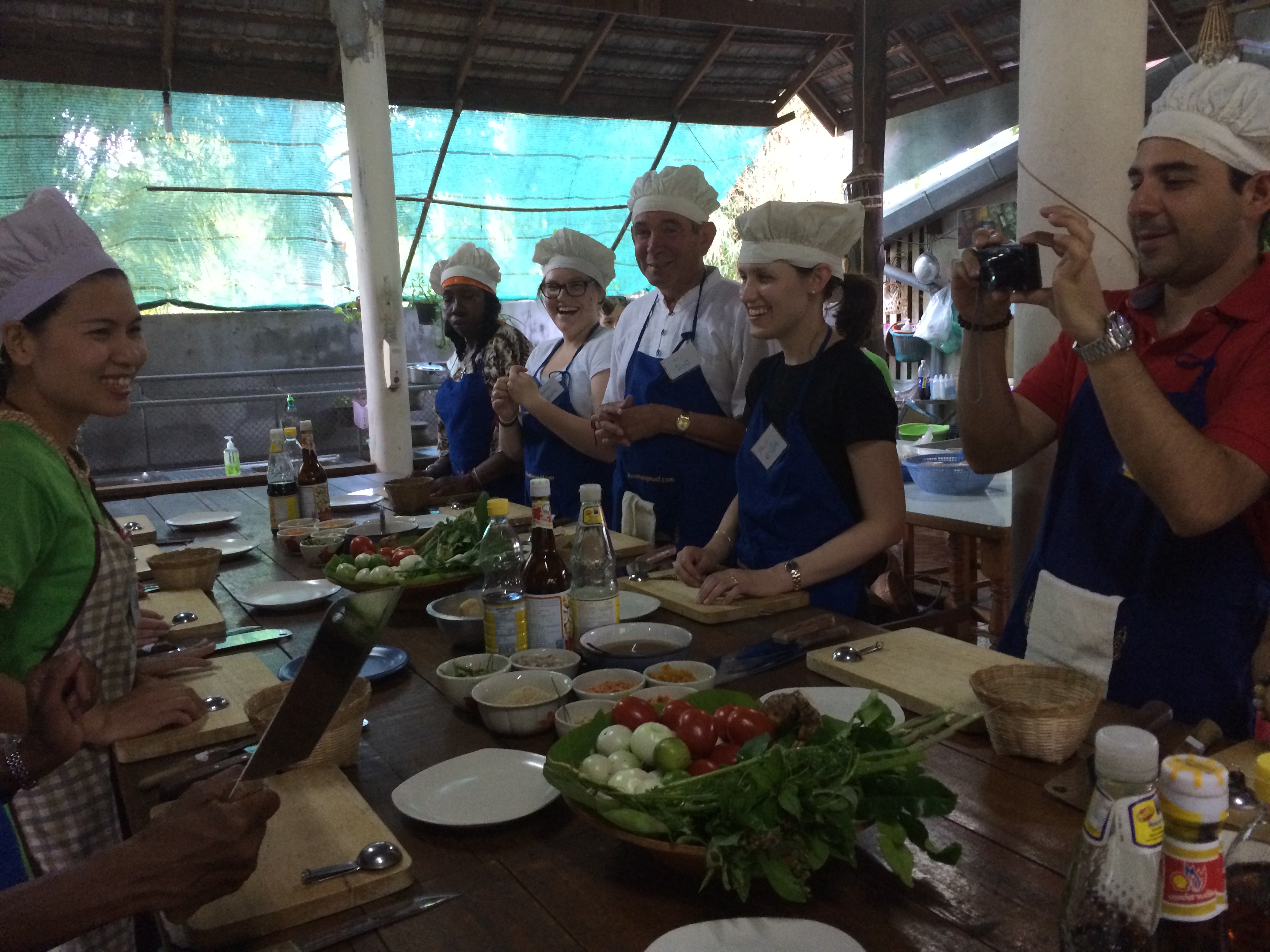
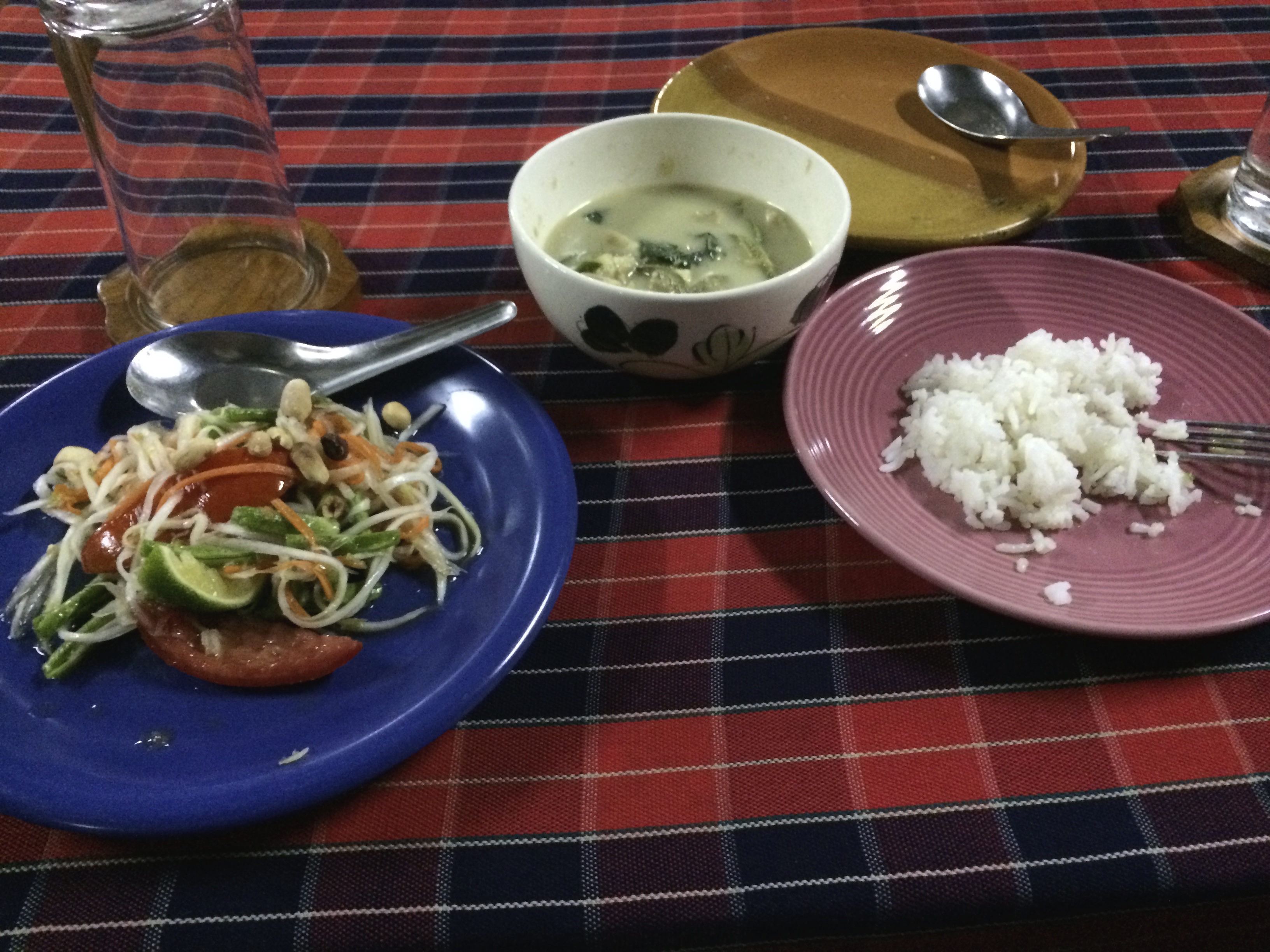
And now onto one of the best parts of the trip: the cooking school! The school is called Baan Hongnual Cookery School which is just outside Chiang Mai. First, we stopped at a local market to learn about the different produce and spices, plus we picked up all the ingredients needed to make our 4 dishes: tom yum soup, papaya salad, chicken green curry and pad thai.
And the finished products!
The last Thailand post will be about Phuket!
*All photos are the property of Charlotte Moore, unless stated otherwise, and may not be used without written consent.
After leaving Sukhothai, we continued north – all the way to the Golden Triangle, the borders of Thailand, Laos and Myanmar (Burma).
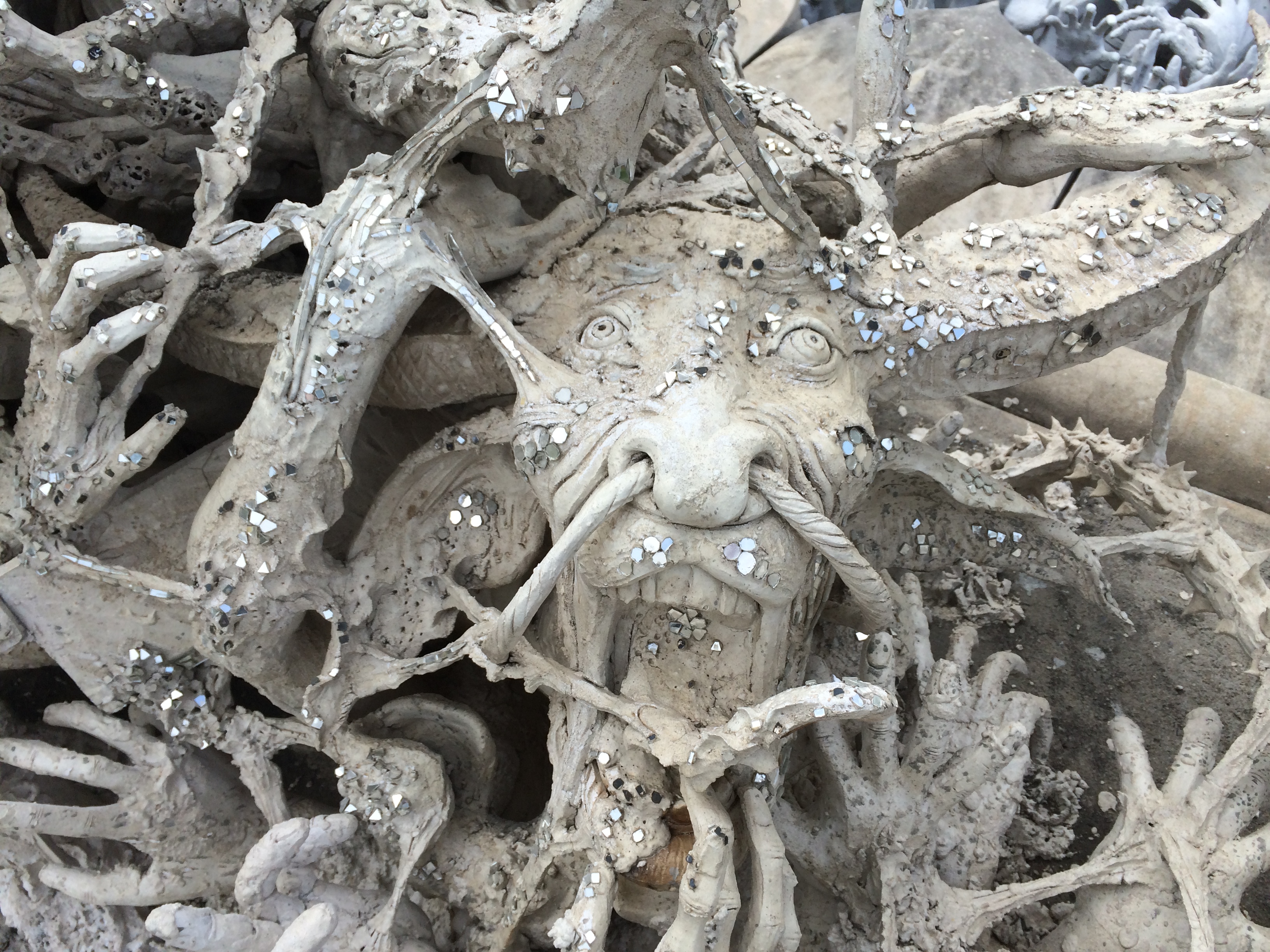
On the way we stopped at Wat Rong Khun, or the White Temple. This temple is stunning, completely white and silver, and it is an ongoing project by artist Chalermchai Kositpipat. Unfortunately, we were unable to go inside the temple, as an earthquake had just hit the area and damaged the temple. You’ll see the broken steeple in the photos below. Luckily the damage was minor. Admission to the temple is free, or by donation – and there is also a museum/art gallery where the artist is frequently working. This was one of my favourite places to visit in Thailand.
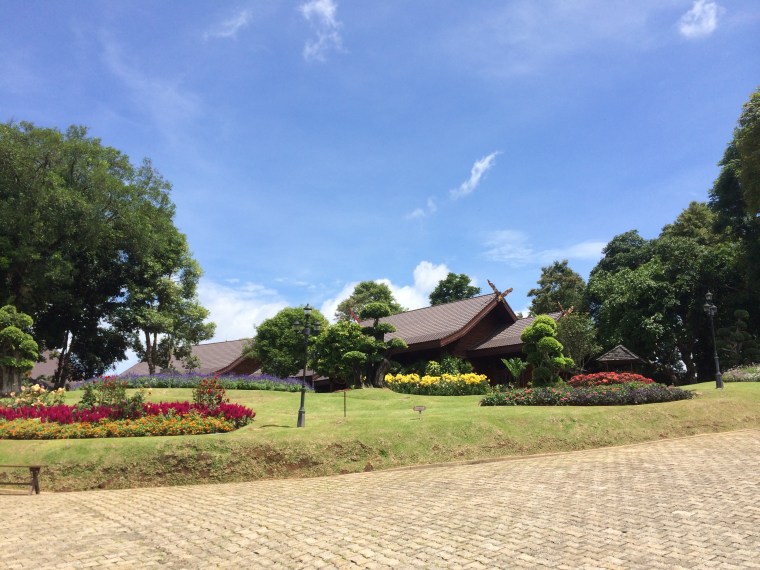
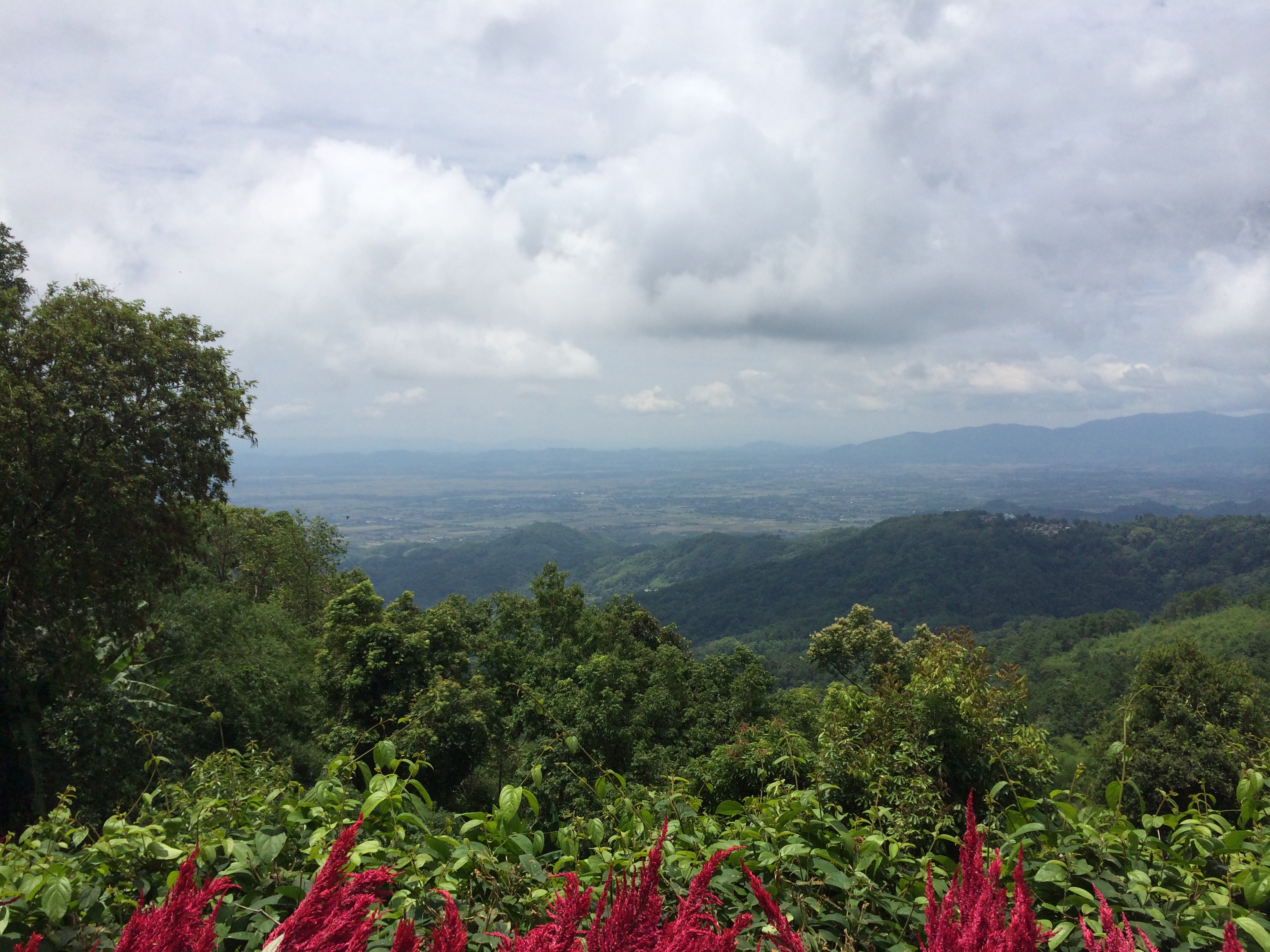
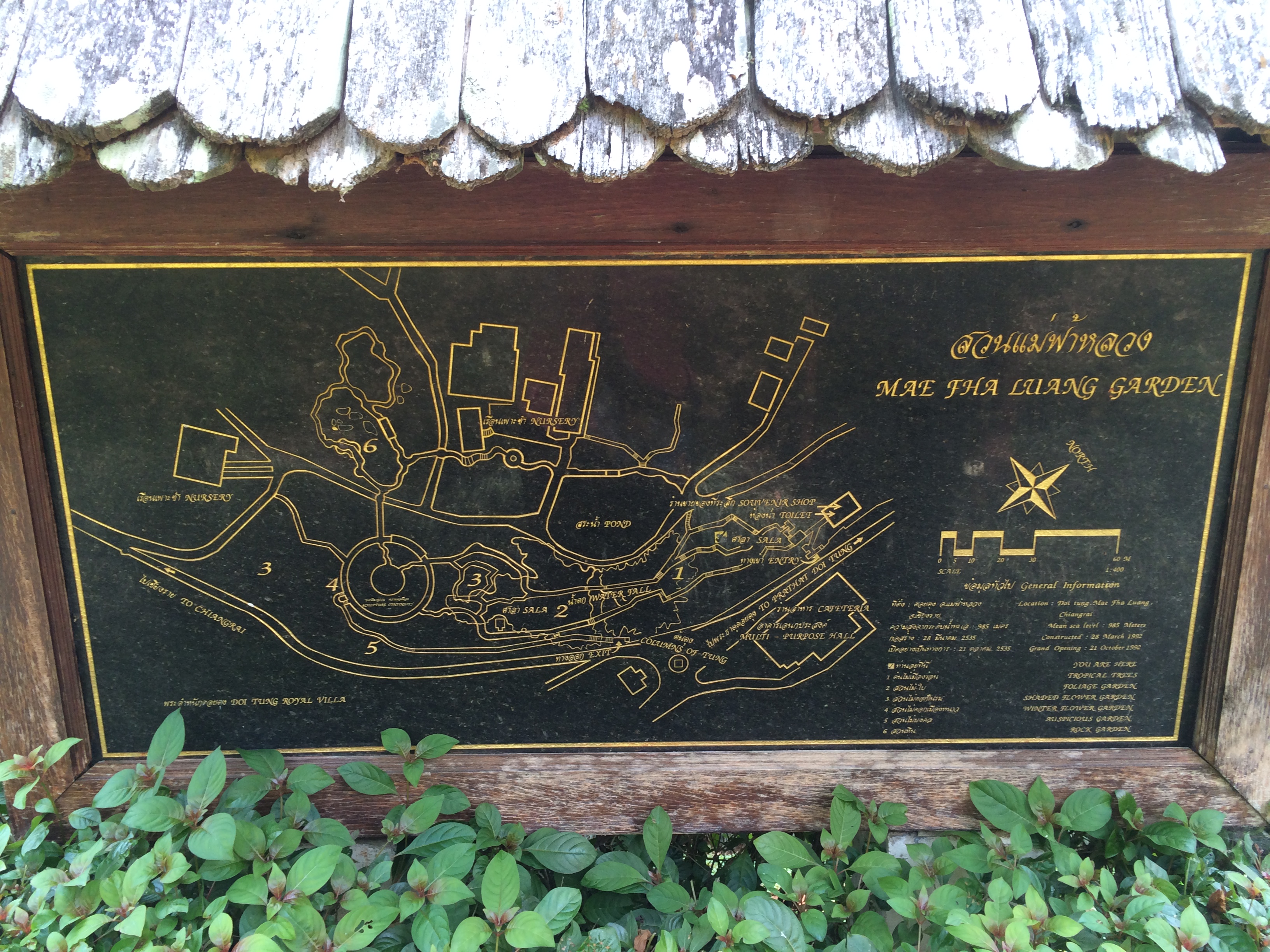
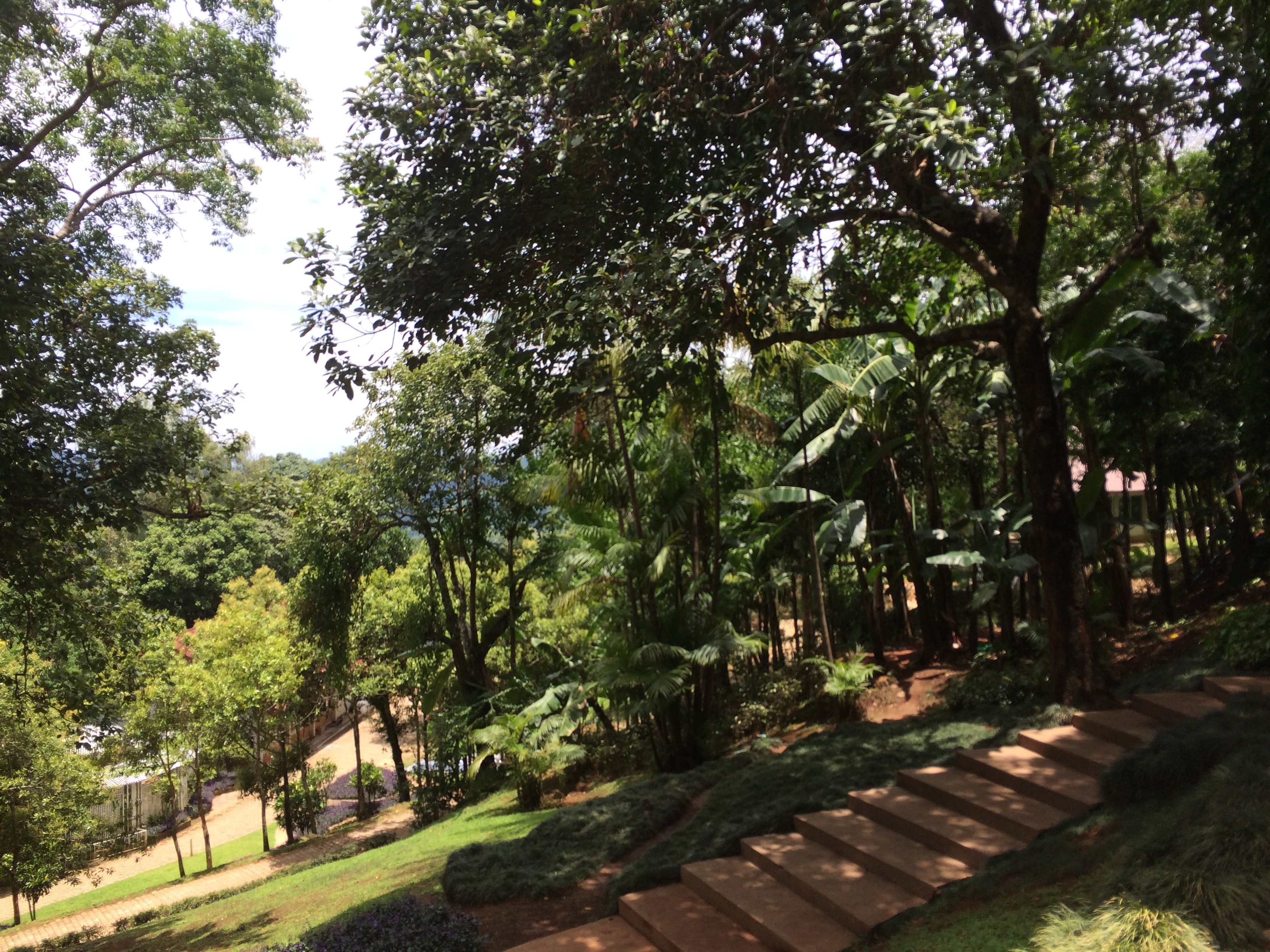
We continued to the Doi Tung region (6500 ft above sea level). Here the local hill tribes grow tea, coffee and macadamia nuts. We toured the Doi Tung Royal Villa, which was built for the King’s Mother, also known as the Princess Mother. She helped transform the area from growing opium to the focusing on growing tea, coffee and macadamia nuts, as it is today. Near the villa are the Mae Fha Luang gardens, which are quite spectacular to visit as well. The temperature in this area is much cooler, especially compared to Bangkok!
Nearby is Wat Phra That Doi Tung, a sacred hilltop shrine, regarded as the holiest sanctuary in the Chiang Rai area. Here I was able to receive a blessing from a monk.
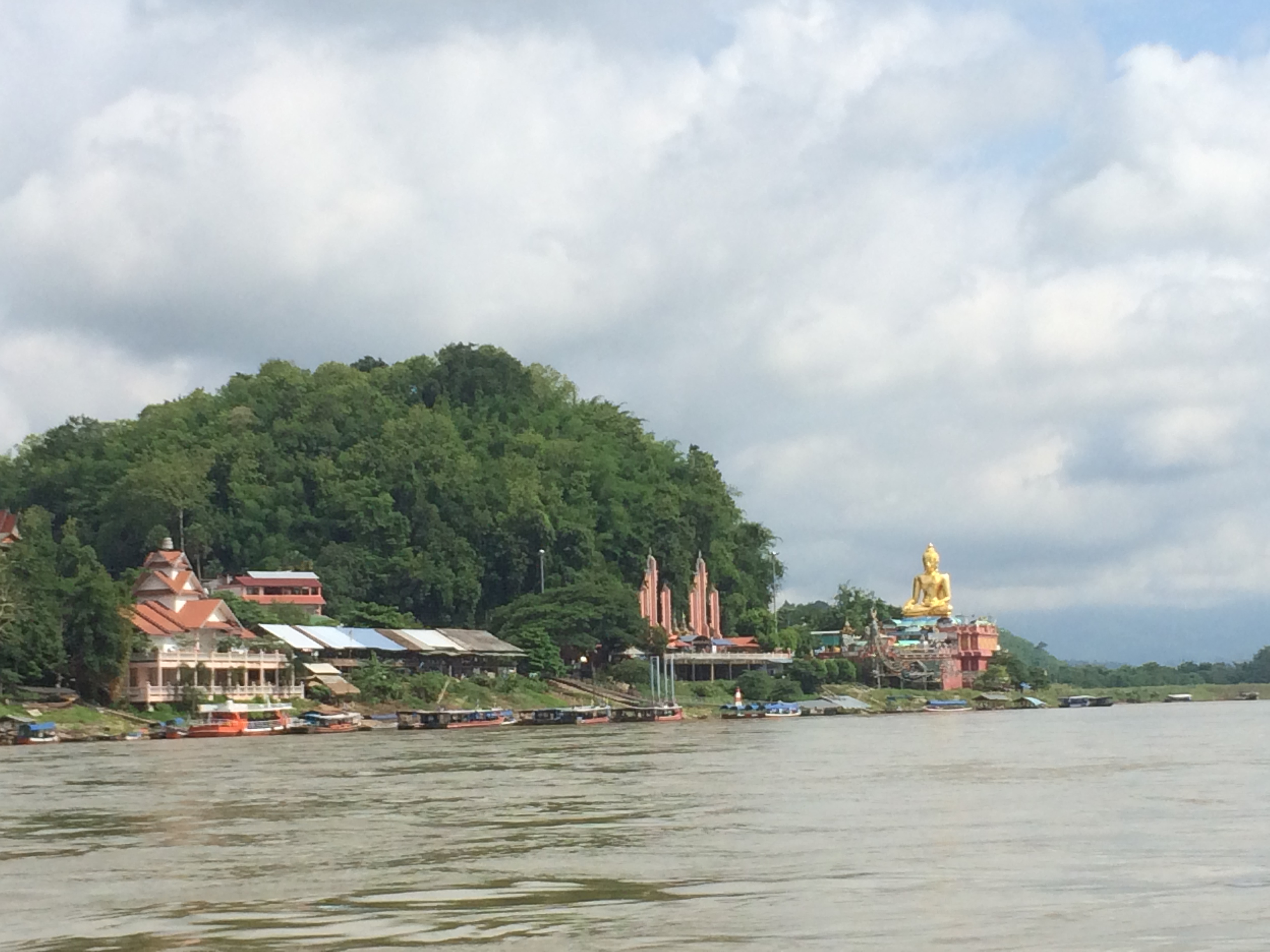
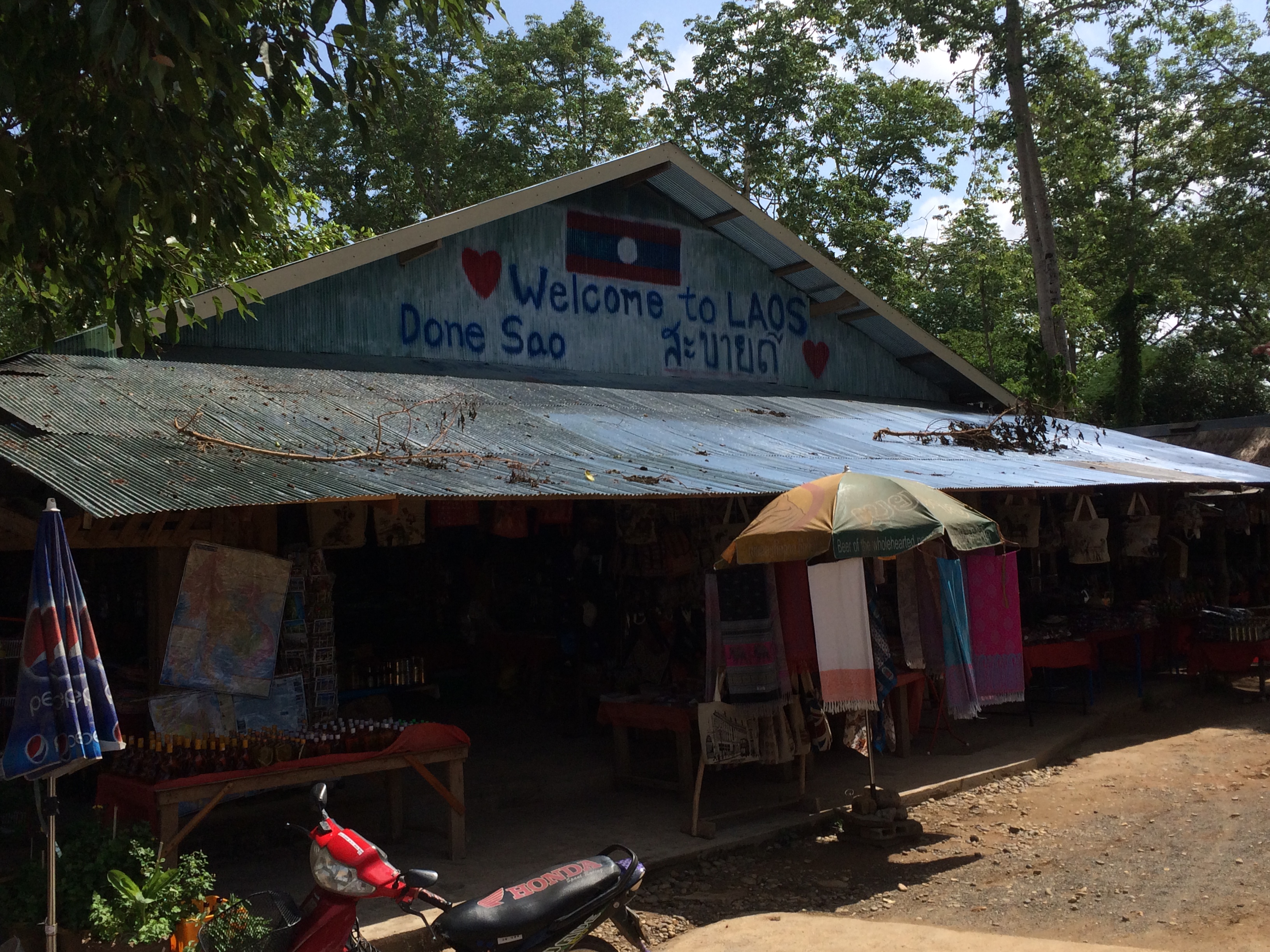
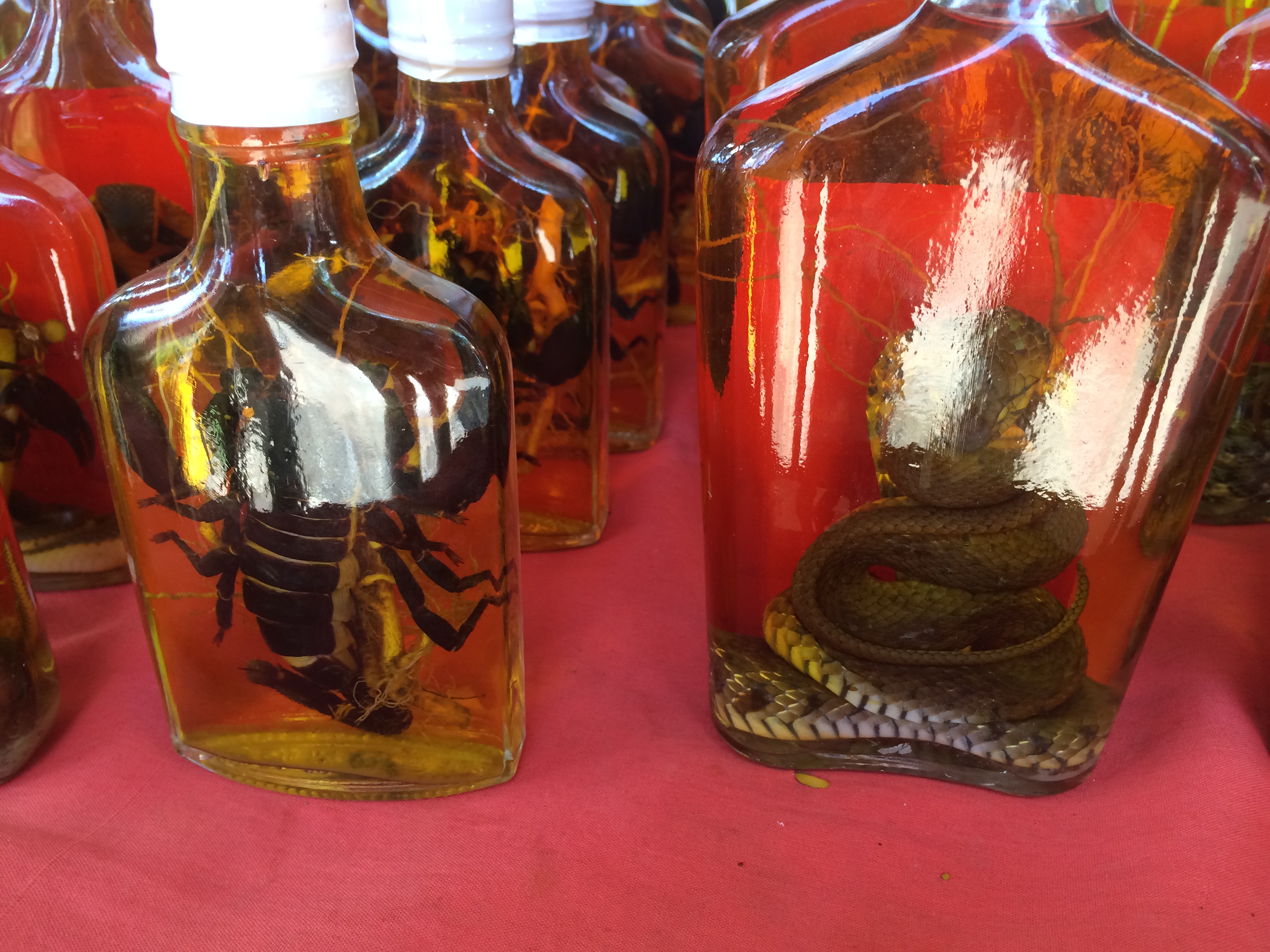
The town of Chiang Saen is right on the bank of the Mekong River, which is the border with Laos. We traveled to the city to take a river cruise and make a quick stop at Don Sao, a small island which is a part of Laos. Don Sao is a bit of a tourist trap, with lots of souvenirs for sale – plus icecream, drinks etc. If it interests you, there are bottles of alcohol for sale, complete with scorpions or snakes inside!
The last thing we did in this area was take a trip to Mae Sai, which is the border crossing with Myanmar (Burma). There isn’t too much to see there, aside from lots of traffic! However, there are quite a few markets and some Burmese jewelry and handicrafts to look at. It was interesting to see the Burmese monks, as they wear maroon robes vs. the bright orange that the Thai monks wear.
The next post will be about Chiang Mai, called “Rose of the North”.
*All photos are the property of Charlotte Moore, unless stated otherwise, and may not be used without written consent.
After leaving Ayutthaya, we headed further north to Sukhothai. On the way, we stopped in Lopburi, also known as monkey town!
Lopburi is relatively small city, well-known for its resident crab-eating macaques that live in the center. We first stopped at the Buddhist temple Wat Phra Sri Rattana Mahathat.
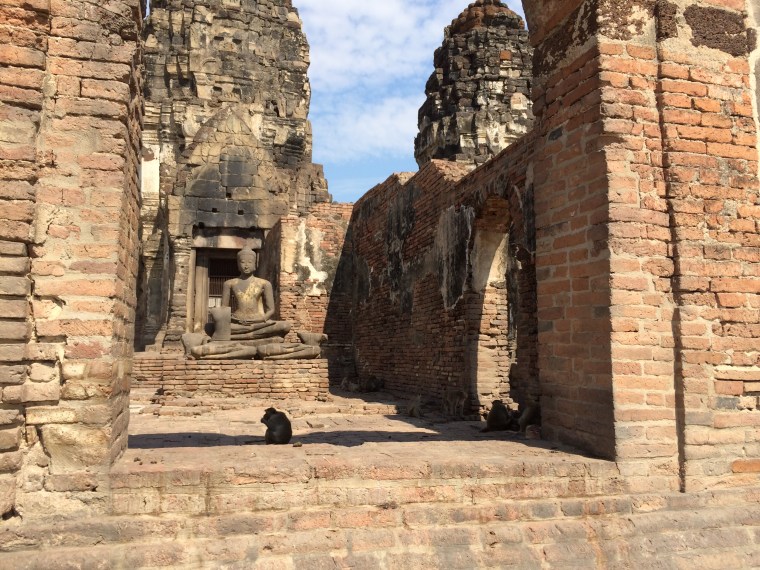
Then we went to the temple that is overun by the macaques, Phra Prang Sam Yot. The macaques are pretty bold, and will happily steal food from you – but the city feeds them twice a day. When we arrived, they were given their morning meal of mangoes.
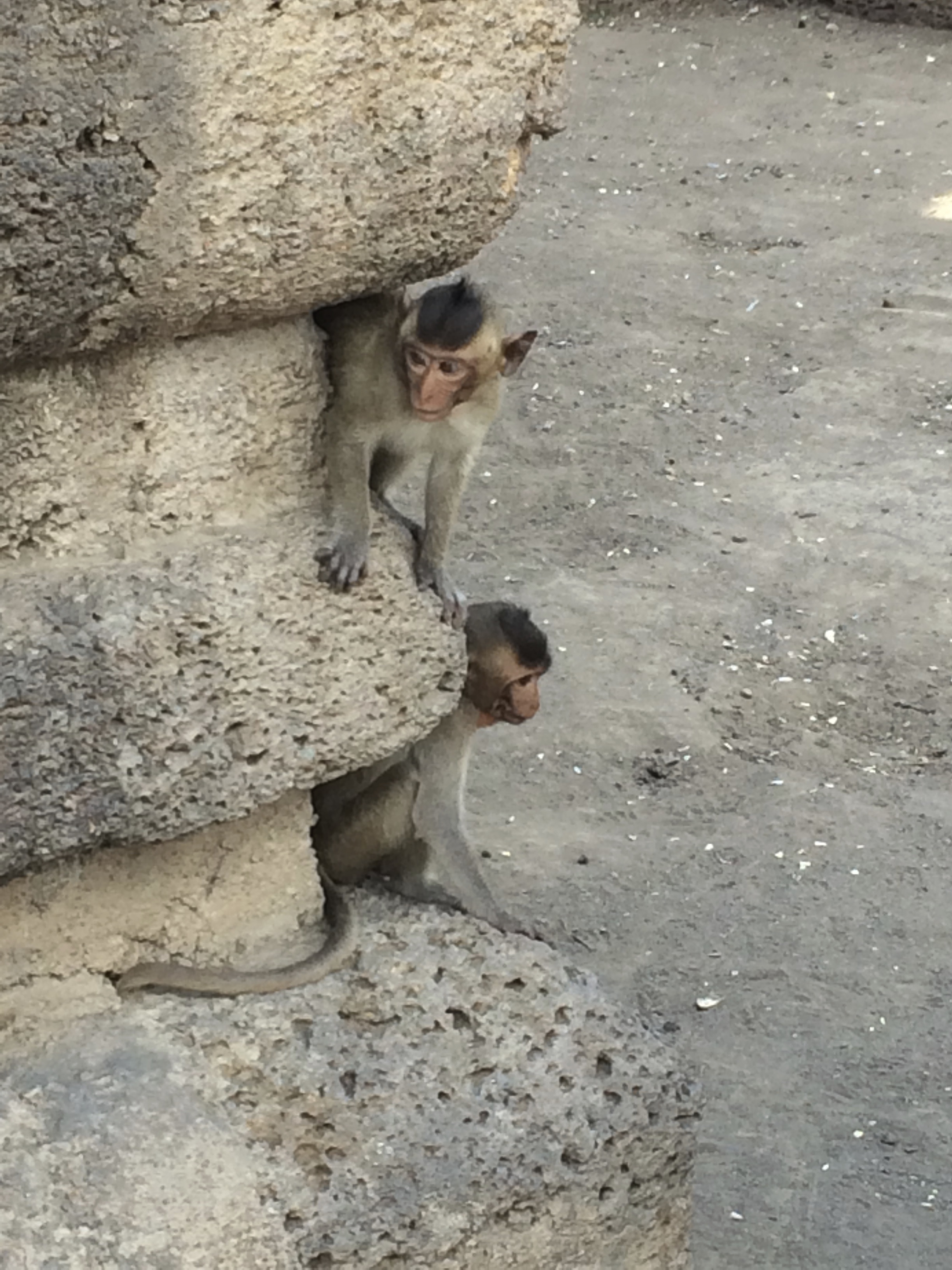
Baby monkeys!
We continued north and headed to Sukhothai. Sukhothai was the first truly independent Thai kingdom, where the Thai culture, language and alphabet originated.
First, we went to the Sri Satchanalai Historical Park, where we visited the most well-known temple, which is called Wat Chang Lom. This is a Sri Lankan style temple that has 39 elephants, some of which are in quite good condition.
Next we visited a small village in the area where we stopped to visit some locals. We went around the area by local transport, called song taews. It is a motorcycle with 2 bench seats, which can hold 4 people.
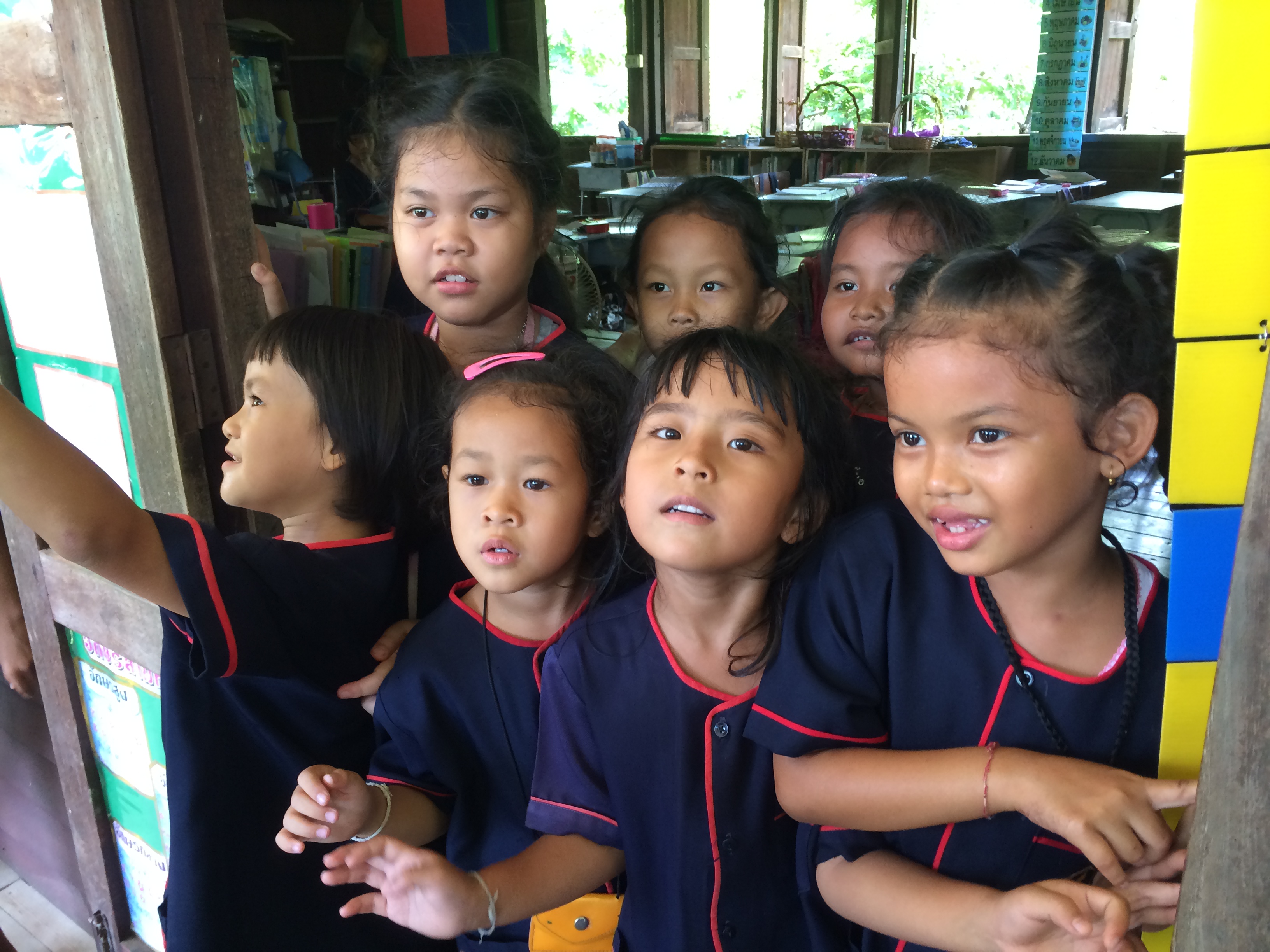
We also stopped at a local school to visit the children and donate some school supplies. They sang “head, shoulders, knees and toes” for us!
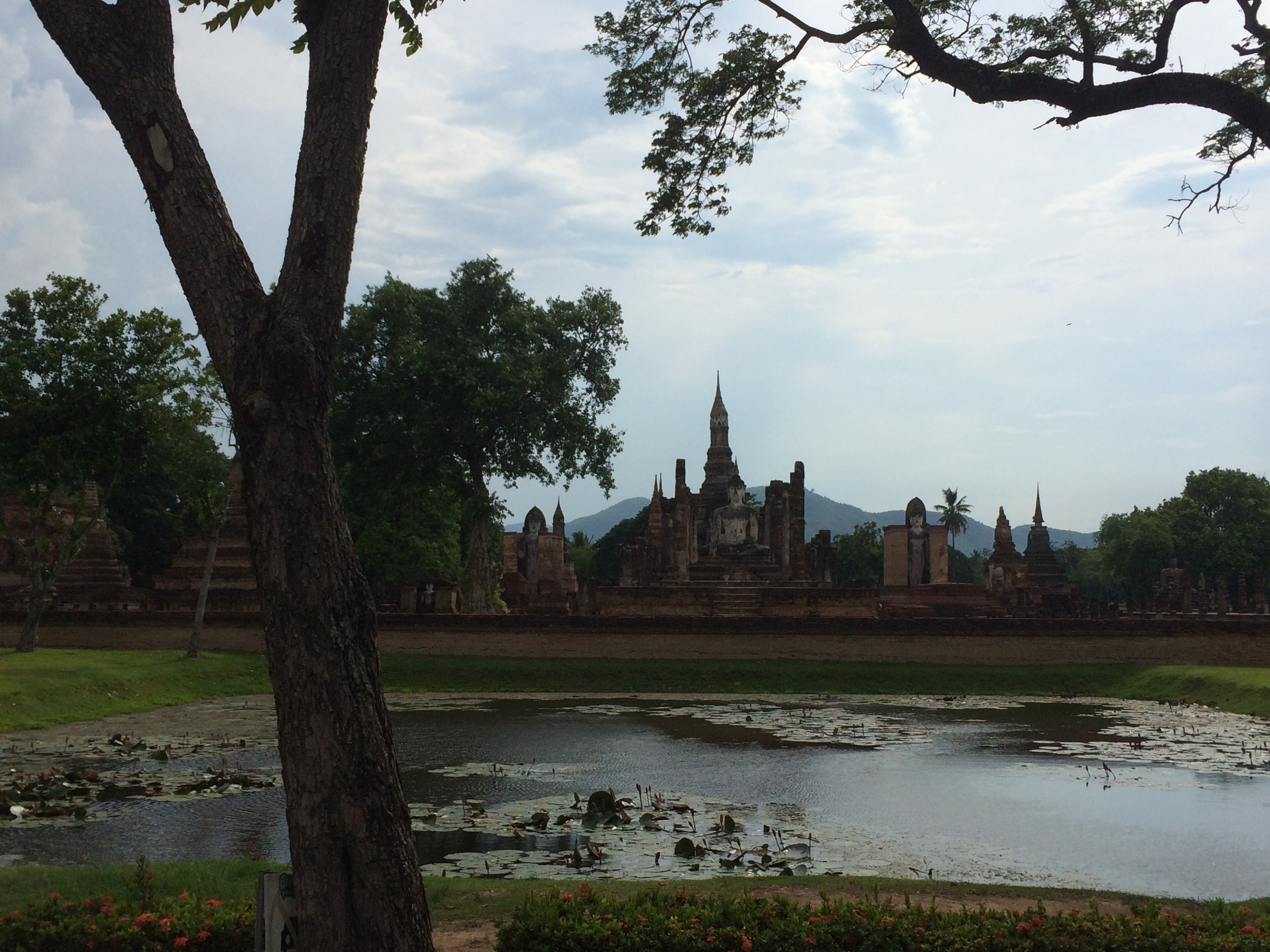
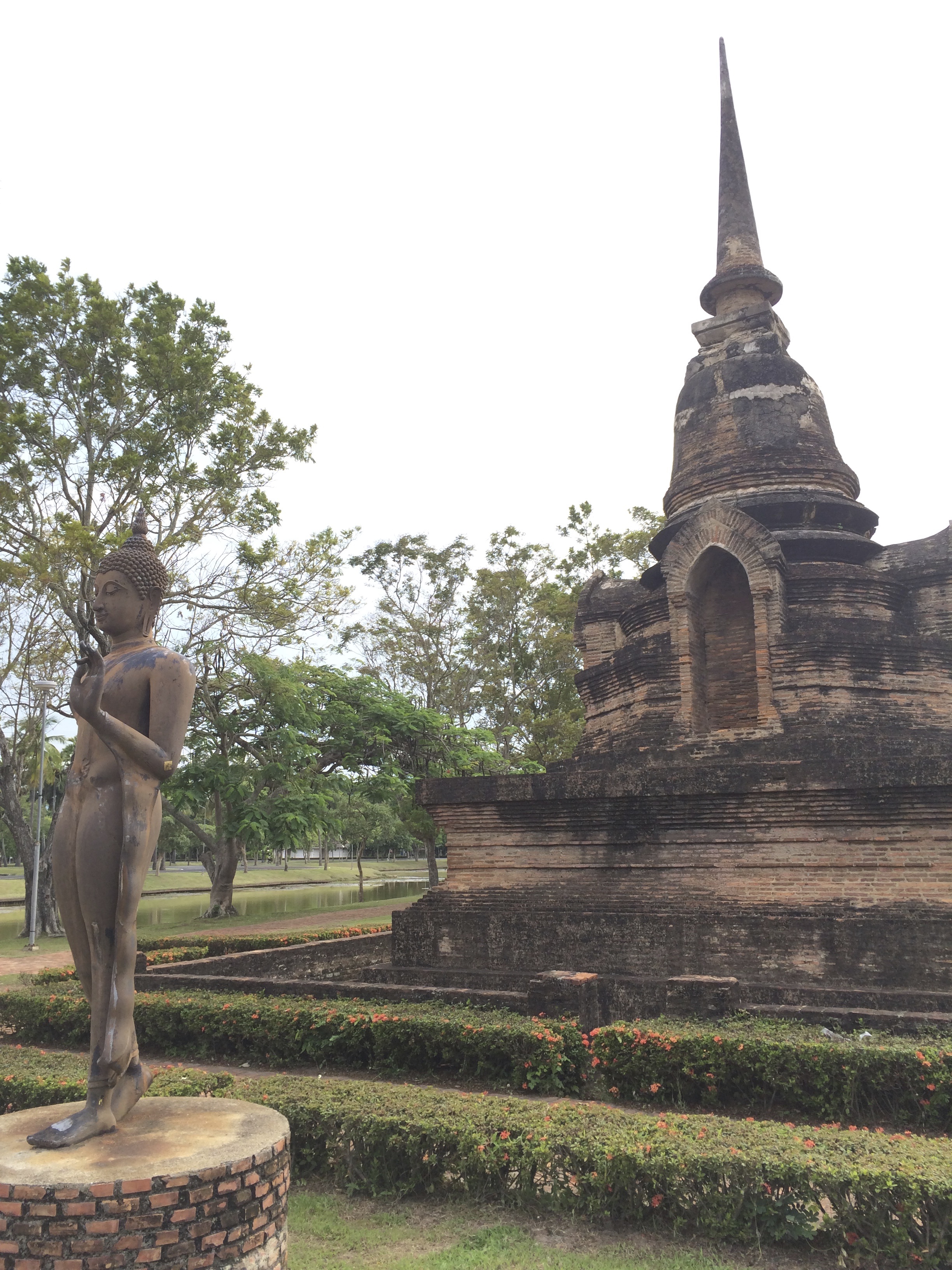
The old city of Sukhothai is full of ruins, which make up the Sukhothai Historical Park, a UNESCO World Heritage Site. The park contains over 200 ruins. Our song taew driver took us around the park, stopping at a few different areas for us to explore the ruins.
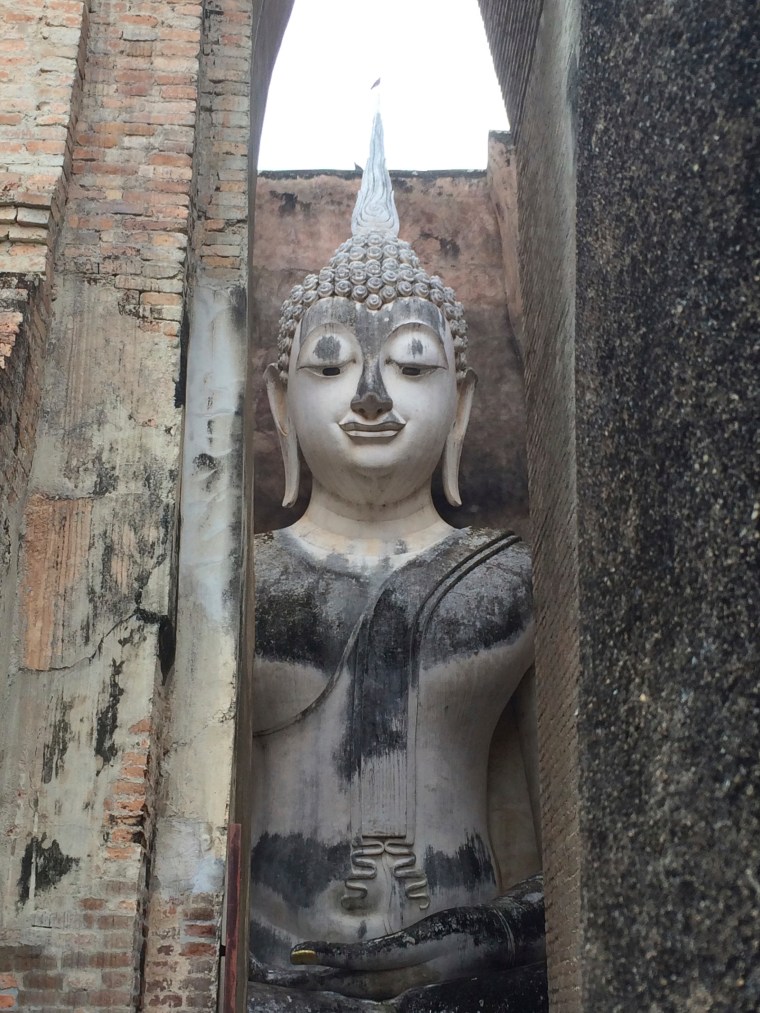
Finally, we stopped at Wat Sri Chum, which contains a massive Buddha peeking through an opening in the walls.
The next post will be about Chiang Rai!
*All photos are the property of Charlotte Moore, unless stated otherwise, and may not be used without written consent.
After leaving Bangkok, we headed north towards Ayutthaya, stopping at the Bang Pa-In Royal Palace on the way.
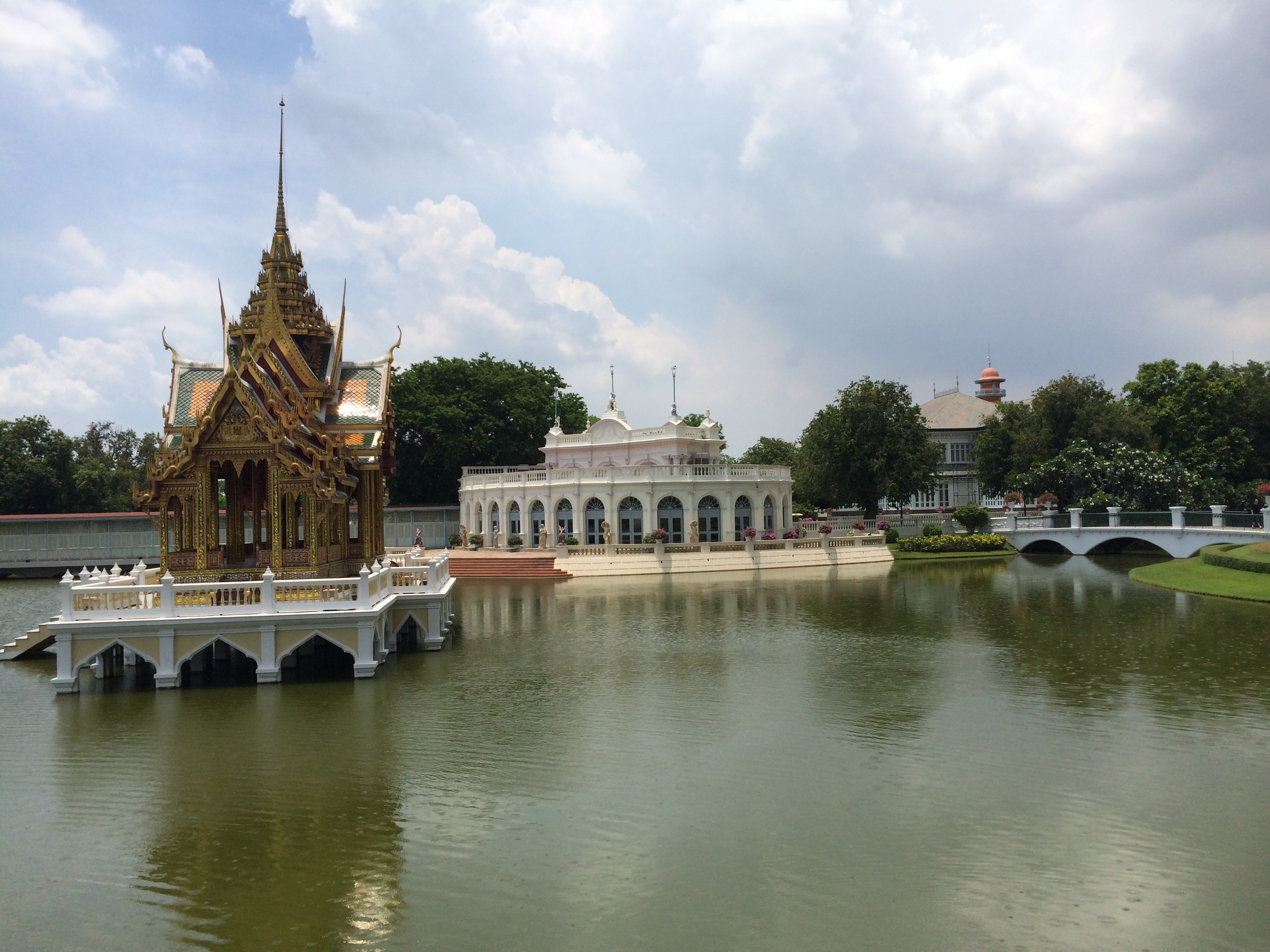
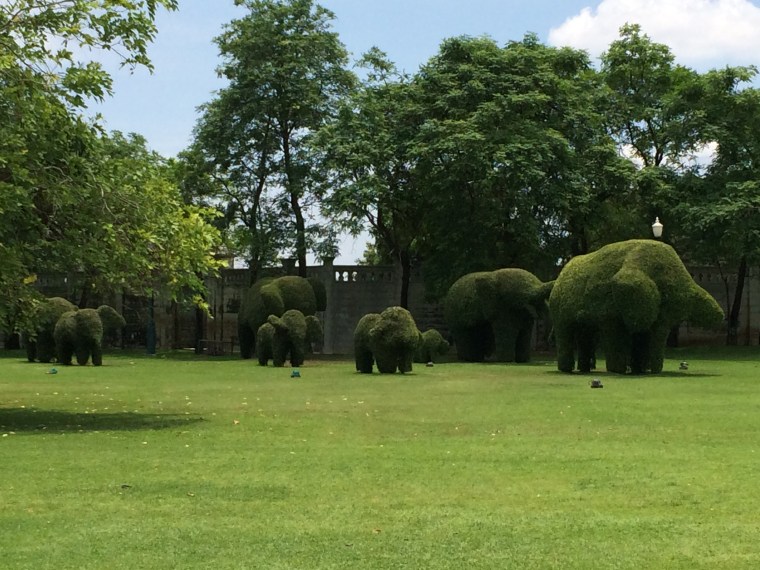
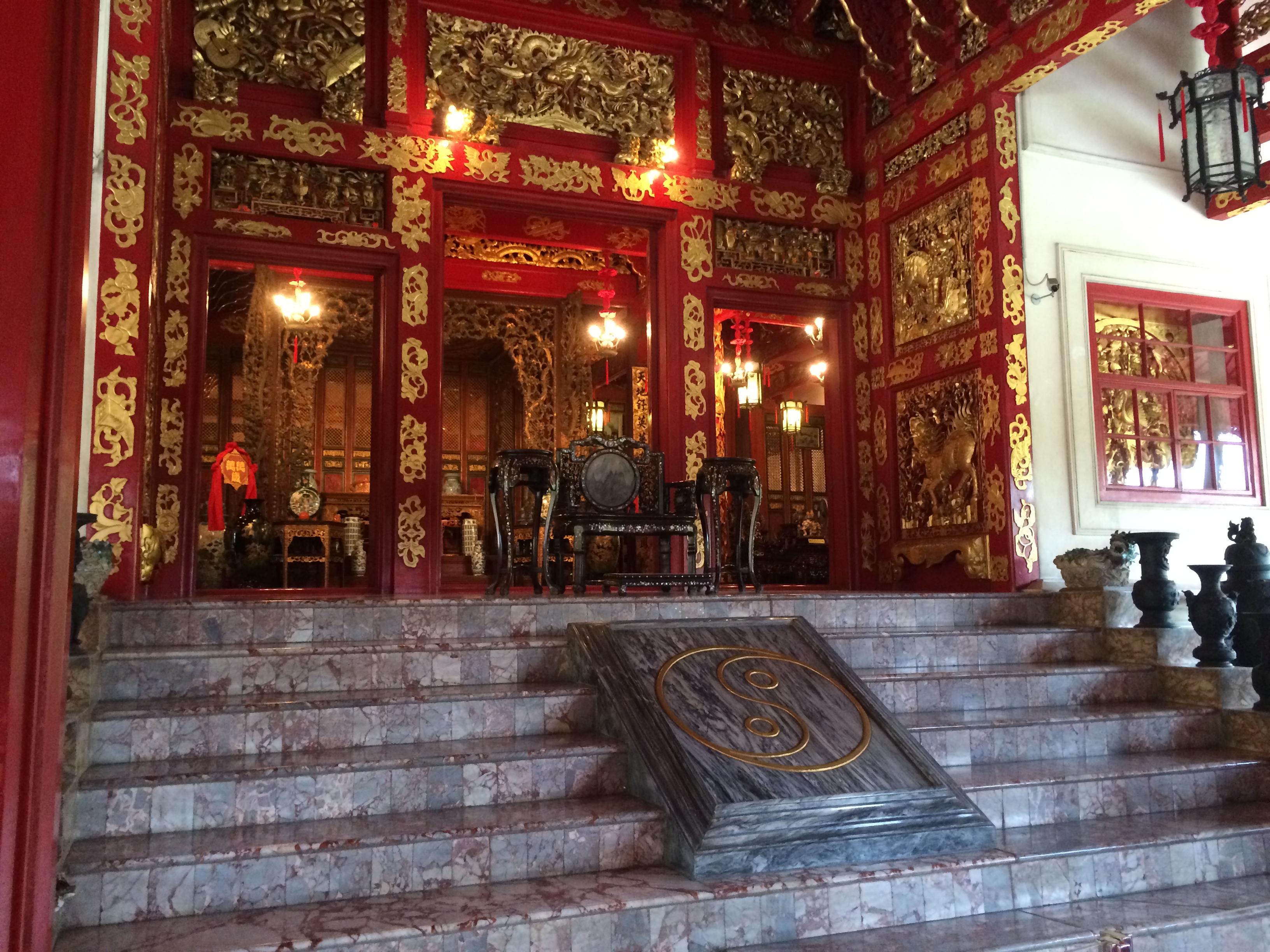
The Bang Pa-In Royal Palace, also known as the Summer Palace, is a huge palace complex with beautiful gardens. You can rent golf carts to get around, which you might want to do on a hot day as there isn’t much shade in the complex. There is only one building you can go inside, which is a Chinese style palace and throne room. You must take off your shoes to go inside and no photos are allowed inside either.
Phra Thinang Wehart Chamrun
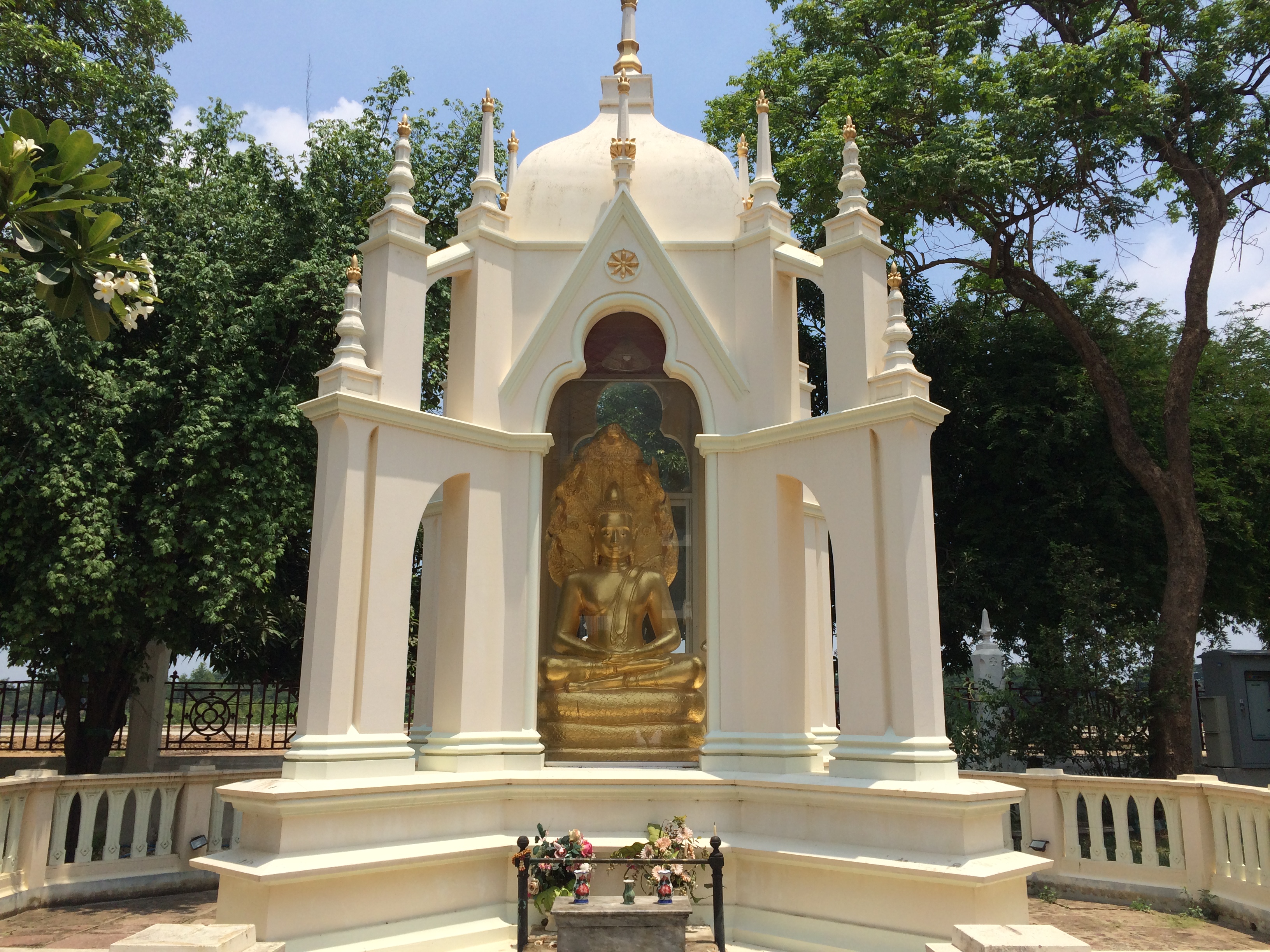
Right next to the Bang Pa-In Palace is a gothic inspired temple called Wat Niwet Thammaprawat. This temple is on a small island, and the only way to get across is on a hand-operated open-air cable car, which is operated by the monks.
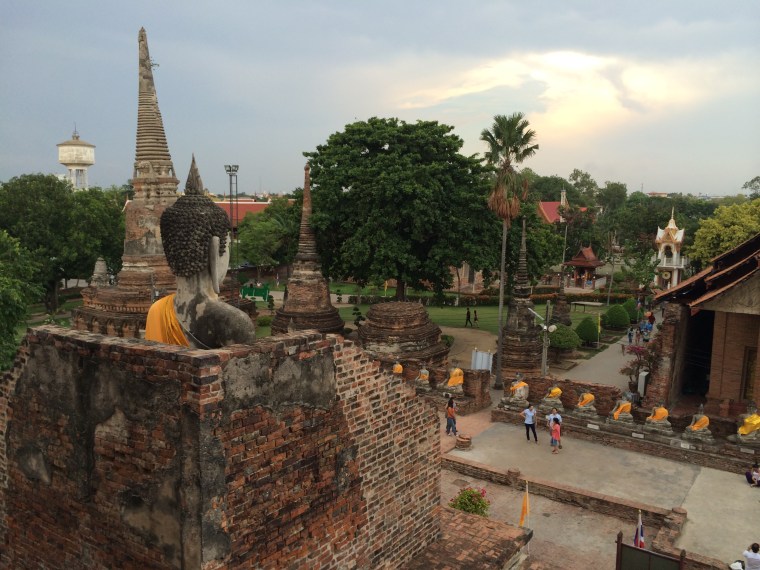
Just north of Bangkok is the city of Ayutthaya, a UNESCO World Heritage Site. Ayutthaya was one of the world’s largest and most cosmopolitan urban areas, and it was the capital of Thailand from the 14th to 18th centuries. The city was attacked by the Burmese army in 1767 and was burned to the ground. As the city was never rebuilt, the city is now known for its extensive ruins and continuing archaeological excavations. The most well-known temple in Ayutthaya is Wat Chai Watanaram.
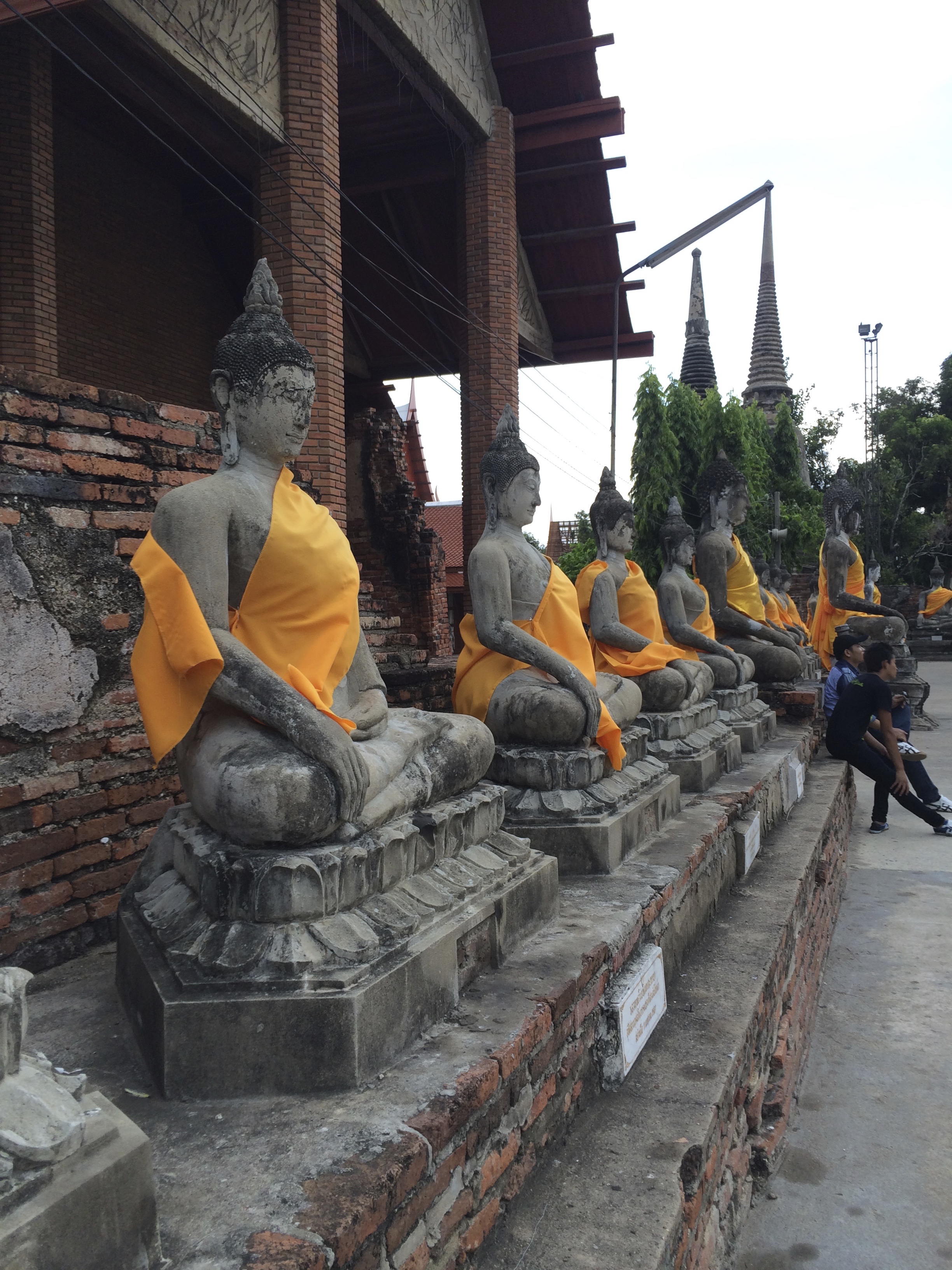
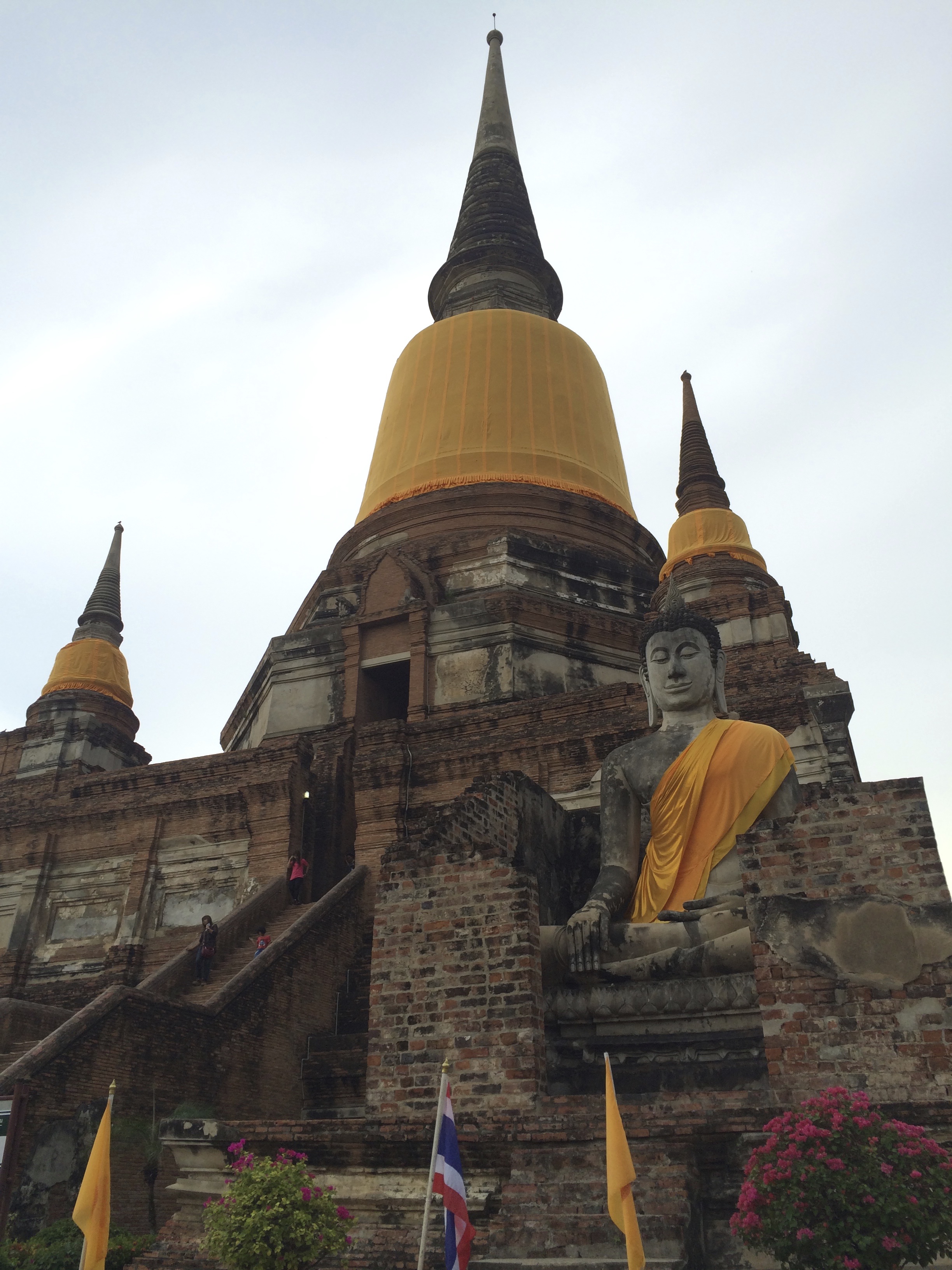
We also visited Wat Yai Chai Mongkhon. This temple is an active monastery and it was one of my favourite places to visit.
The next post will be about Lopburi (monkey town!) and Sukhothai.
*All photos are the property of Charlotte Moore, unless stated otherwise, and may not be used without written consent.
Before I get into the various markets that we visited, I wanted to mention a hidden gem in Bangkok. It’s a restaurant called Harmonique, which is hidden down an alley, not far from our hotel. As with most restaurants, it’s quite cheap. At nighttime, it has a great ambiance as its tucked under a beautiful banyan tree.
On our first day, even though we were super jet lagged, we decided to head off exploring the area. We came across an amazing flower market. The ladies were making flower arrangements for people to purchase as offerings at the temples.
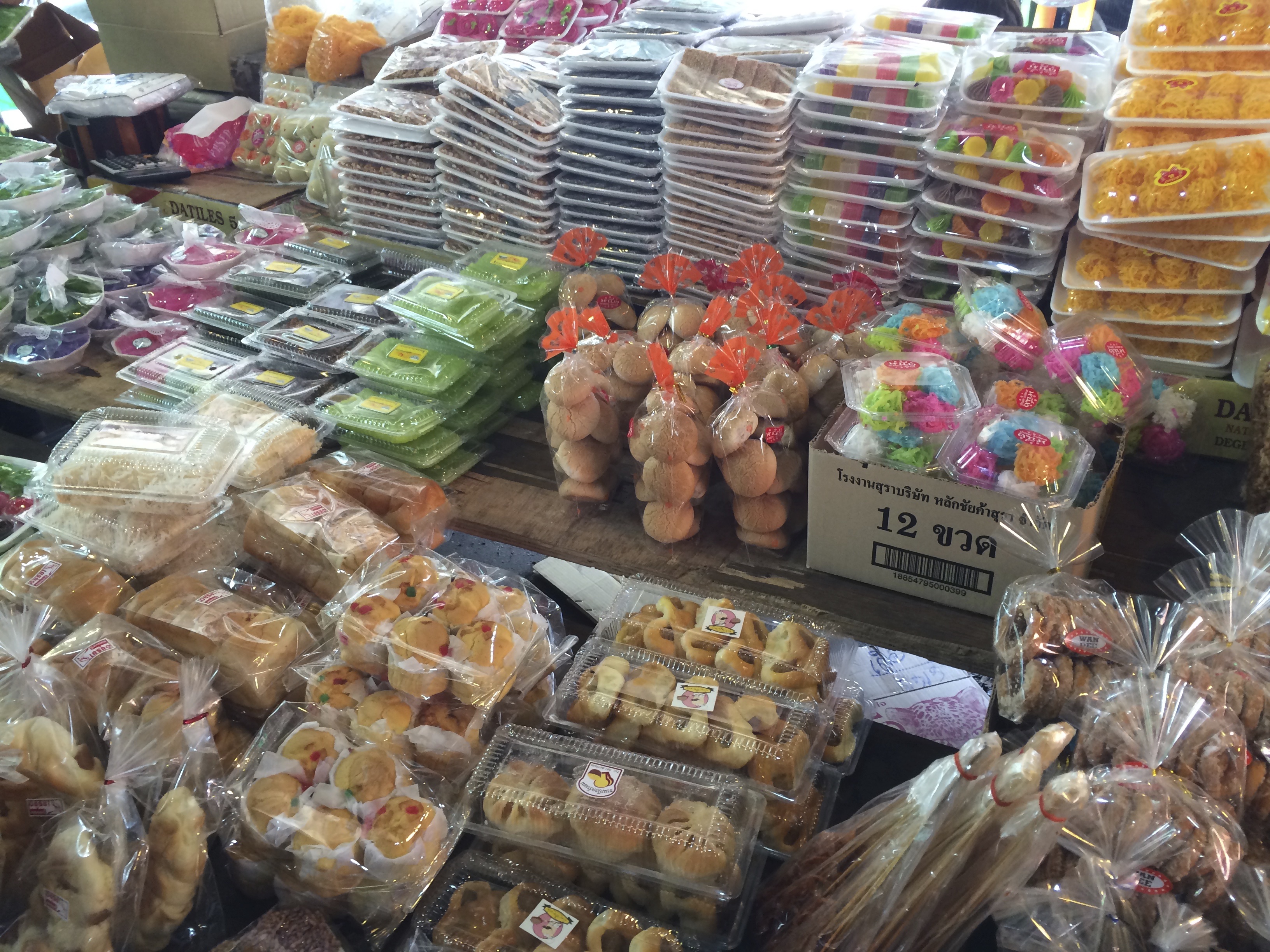
We also visited a food market as well. Plenty of things to look at and plenty of cats too!
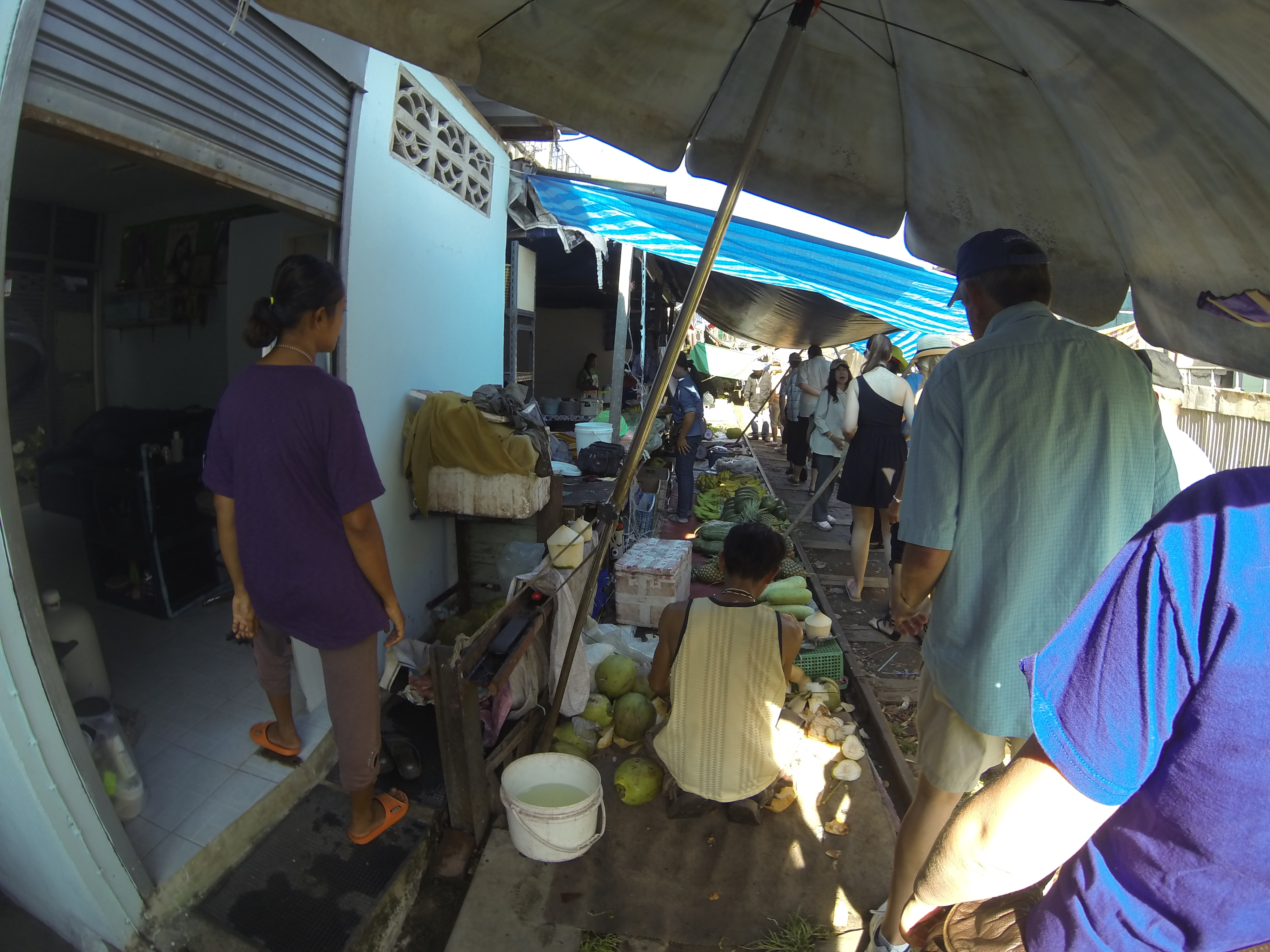
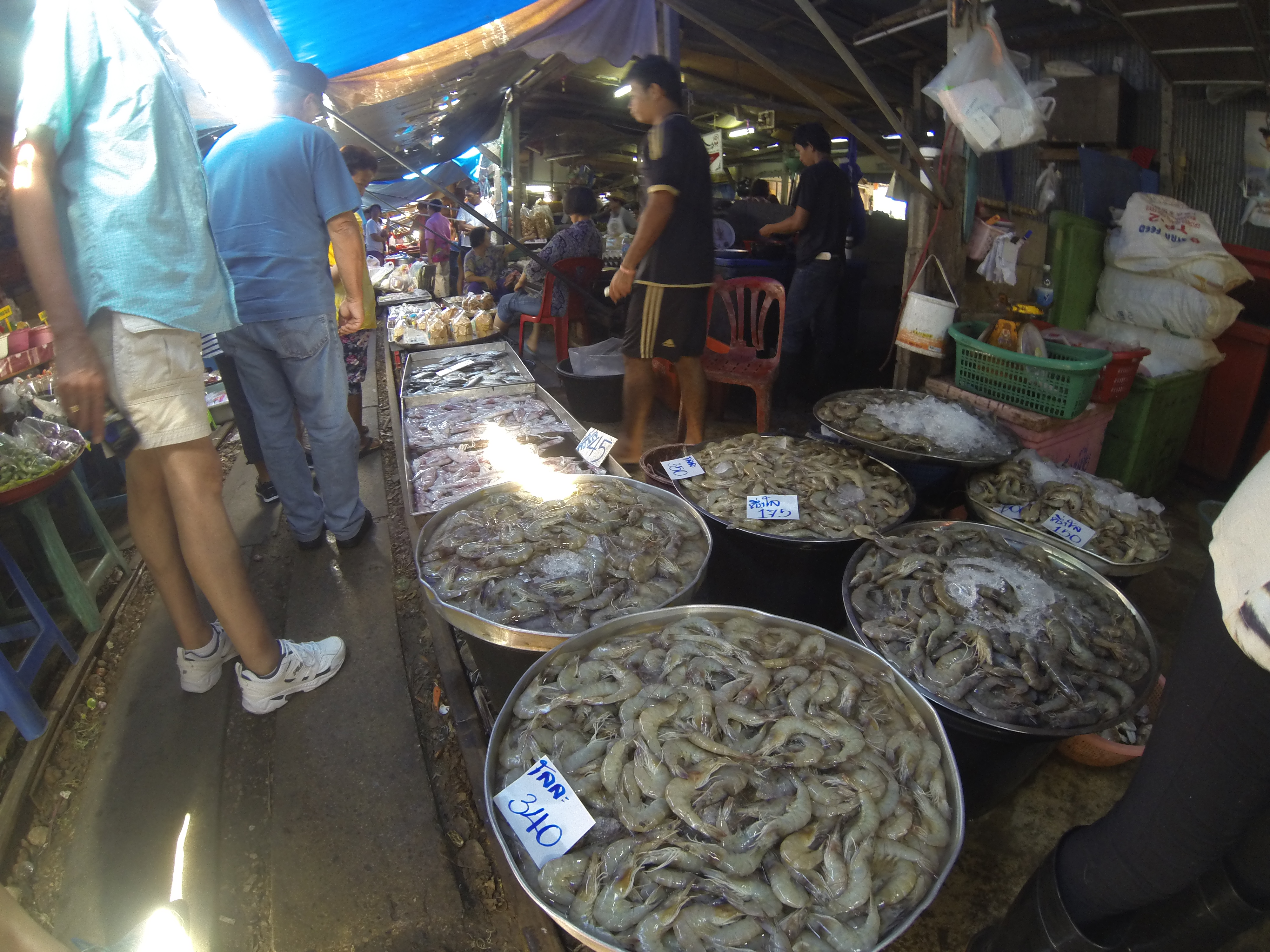
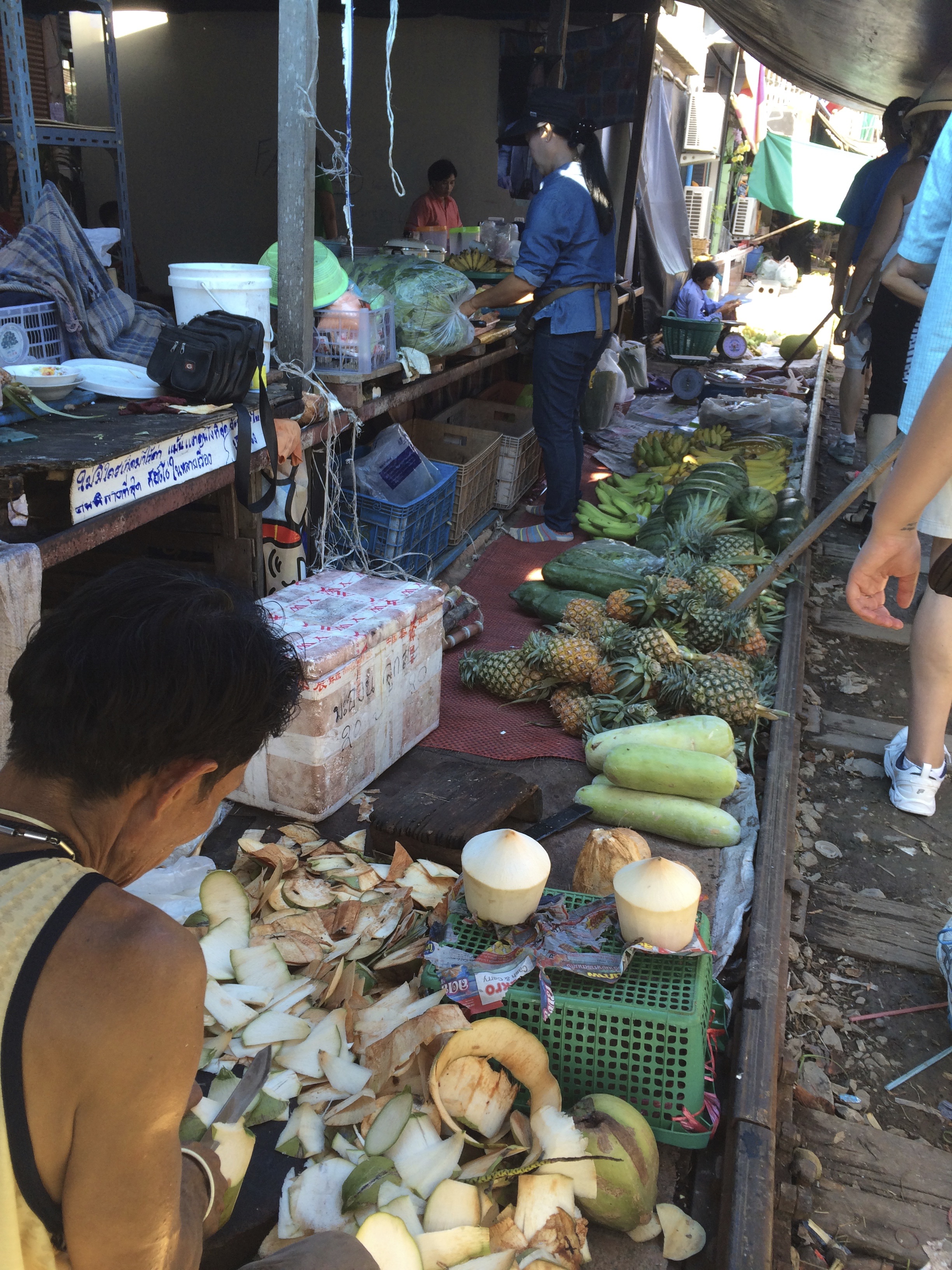
We also visited the Samut Songkram railway market. This country market was particularly fascinating as the market is built on the railway tracks. When the train comes, all of the merchants pick up their things and move them back to allow the train to pass. It appeared to be almost choreographed with the umbrellas lifting up, right as the train passed through.
This is the train station, where we watched the train come through the market.
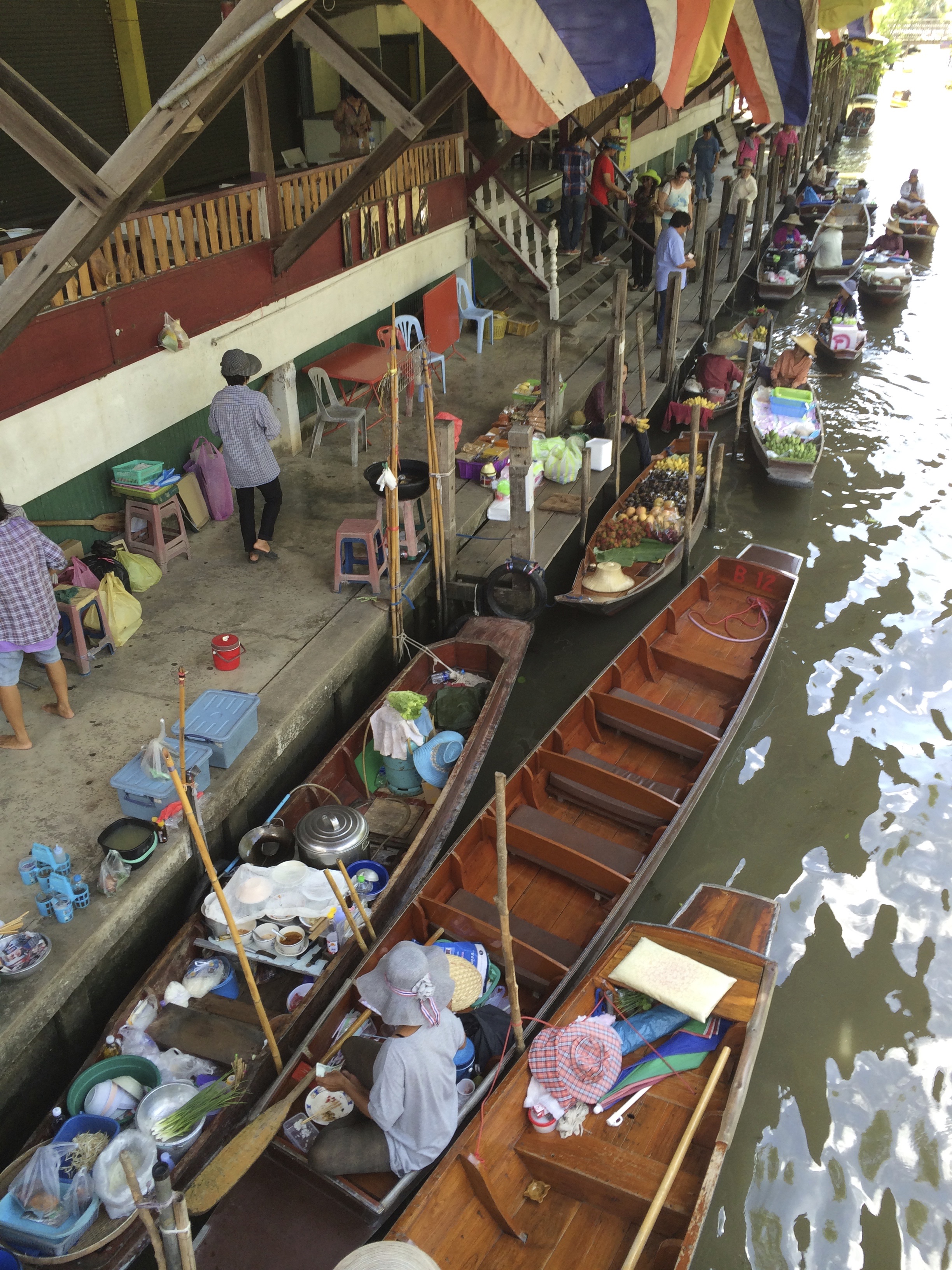
Next up, we went to the famous Damnoen Saduak floating market. We cruised through the klongs (canals) on a longtail boat, James Bond style!
Yum, fried bananas!
The next post will cover the ancient city of Ayutthaya!
*All photos are the property of Charlotte Moore, unless stated otherwise, and may not be used without written consent.
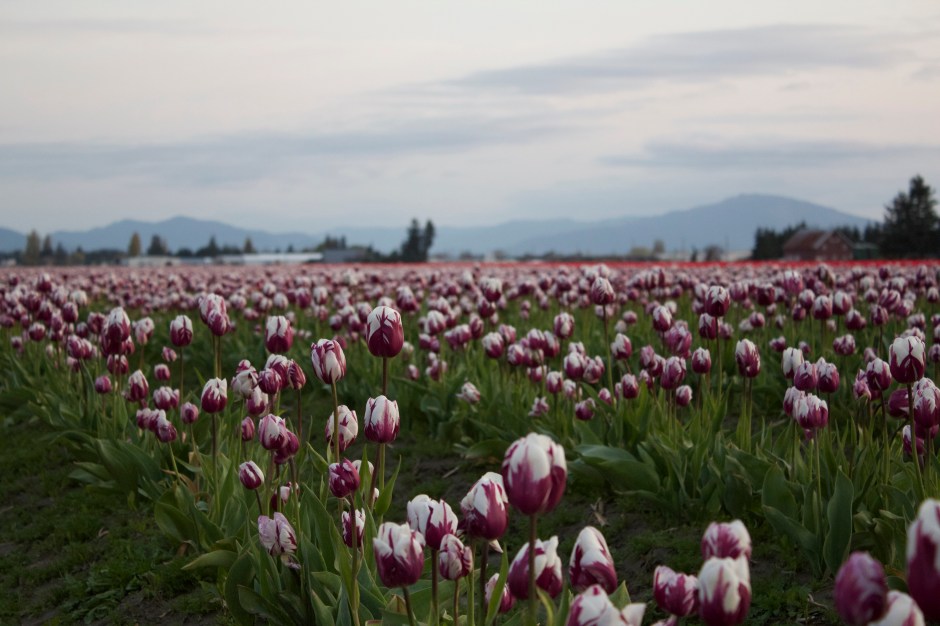
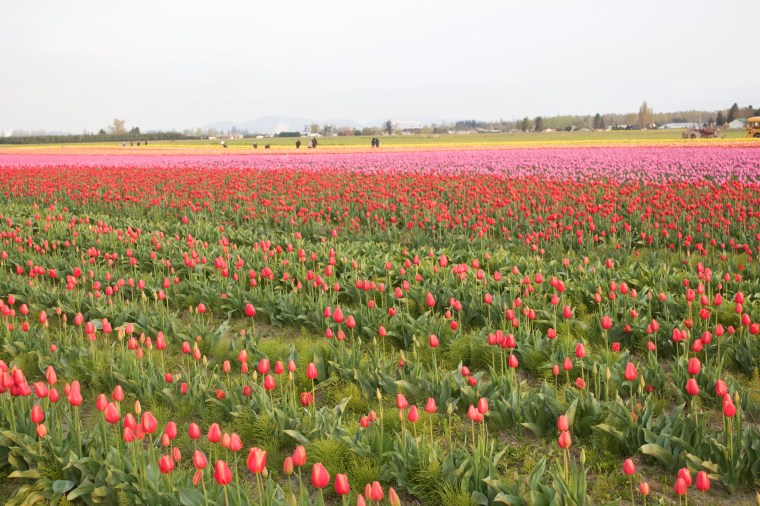
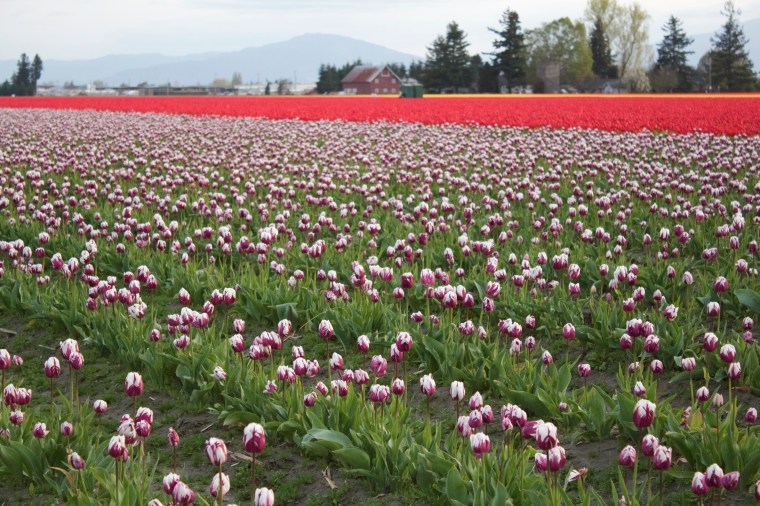
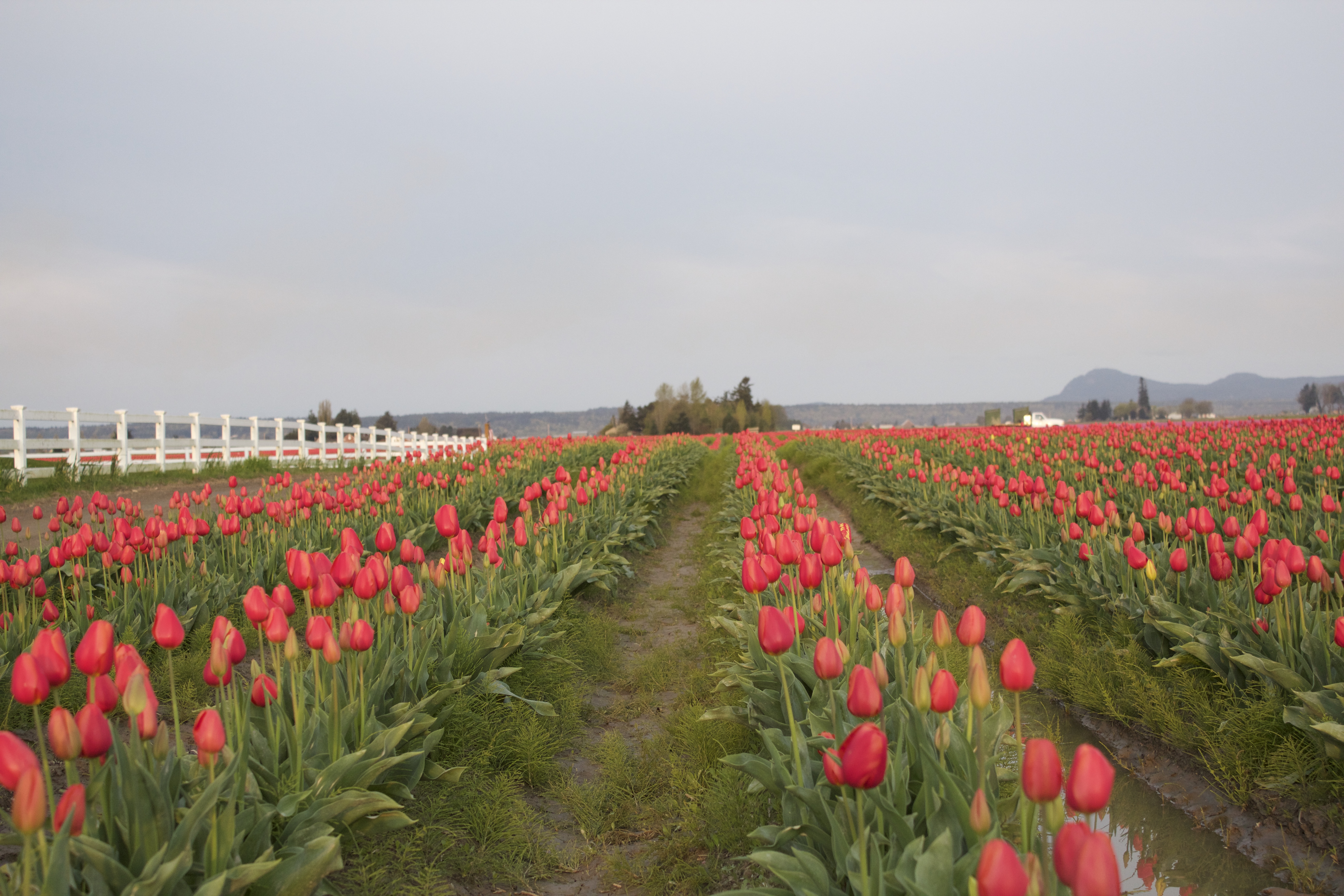
I know I said that I was going to feature Thailand during the month of April, but last weekend, while on my way down to Seattle, I visited the Skagit Valley Tulip Festival. Since the festival only happens during the month of April, and starting earlier or later depending on the tulips, I figured I should write this one up quite quickly. For 2015, the festival started about a week early, and will go until April 30th.
Rogue red tulip!
Here the workers are cutting the flowers in the early morning hours before the rest of the tourists arrive!
Skagit Valley is exactly halfway between Seattle, WA and Vancouver, BC, and directly off I-5. It gets super busy on the weekends (the freeway exits back up), so it’s best to go early or on weekdays. The show gardens are open from 9am-5pm everyday. There are 2 main show gardens, RoozenGarde and Tulip Town, plus acres of fields to see. This is a driving tour, so you’ll need to pick up a map or download it from their website. Note, it changes every year so you’ll have to make sure you get a new one as the crop fields rotate. You’ll see tulips, daffodils, irises, and even corn.
I decided to leave Vancouver super early (4:45am), to arrive just at sunrise (6:41am on April 3rd). None of the show gardens are open then, but I was able to drive around the whole area and occasionally pull off the road for a few photos. This daffodil one below is probably my favourite.
As you can see, the daffodils are almost finished for the season. This photo was taken April 3rd.
When: April each year. Bloom times vary so visit the map to find out exactly when: http://www.tulips.com/bloommap
Where: Skagit Valley, exits 221-231 off I-5.
Show Gardens: RoozenGarde and Tulip Town. $5 admission, includes free parking. At the show gardens, you can purchase bulbs and buy cut flowers. Open 9am-5pm.
Limited parking on the side of the roads – and sheriffs will ticket you!
*All photos are the property of Charlotte Moore, unless stated otherwise, and may not be used without written consent.



















































 See More w/ C Moore